If you're a busy professional over 40, you've probably realized something frustrating:
The workout routine that worked in your 20s no longer delivers the same results.
You may be working longer hours, managing employees, raising children, traveling for work, or caring for aging parents. Finding an hour and a half to spend in the gym every day simply isn't realistic. The good news is that it doesn't have to be.
Modern research consistently shows that
strength training—not spending endless
hours on cardio—is one of the most effective ways for men over 40 to build muscle, reduce body fat, maintain mobility, and improve long-term health. Even better, you don't need six days per week to see meaningful results.
At Inspire Fitness, we work with busy professionals throughout Cedar Park, Leander, Liberty Hill, Round Rock, Georgetown, and Northwest Austin who want to stay strong without living in the gym. The most successful clients aren't necessarily the ones who exercise the most—they're the ones who follow a smart, consistent plan.
Why Fitness Changes After 40
Around age 30, adults
naturally begin losing muscle mass if they don't perform regular resistance training. This gradual decline, known as age-related sarcopenia, contributes to slower metabolism, reduced strength, poorer balance, and increased risk of injury.
At the same time, demanding careers often mean:
- Sitting most of the day
- Higher stress levels
- Less sleep
- More business dinners
- Less time to exercise consistently
These lifestyle factors—not simply age—often explain why many successful professionals notice increasing abdominal fat and decreasing energy.
The encouraging news is that resistance training remains highly effective well into middle age and beyond. Research shows adults in their 40s, 50s, 60s, and even older can significantly improve muscle mass, strength, physical function, and quality of life through progressive resistance exercise.
What Is the Best Workout Plan for Men Over 40?
For most busy men, the ideal plan includes:
- 3
strength-training sessions each week
- 2–3 days of moderate cardiovascular activity
- Daily walking
- Adequate recovery and sleep
This approach aligns closely with recommendations from the American College of Sports Medicine and the
Physical Activity Guidelines for Americans, both of which emphasize regular muscle-strengthening activities alongside aerobic exercise.
Notice what isn't on that list:
- Two-hour gym sessions
- Daily HIIT workouts
- Seven-day training schedules
- Marathon cardio
Consistency beats perfection.
A Weekly Workout Schedule That Fits a Busy Life
Monday: Full-body strength training (45–60 minutes)
Tuesday: 30-minute brisk walk or Zone 2 cardio
Wednesday: Full-body strength training
Thursday: Mobility work and walking
Friday: Full-body strength training
Saturday: Golf, hiking, cycling, pickleball, or another enjoyable activity
Sunday: Recovery
This schedule is realistic for busy professionals and parents balancing demanding schedules.
Prioritize Strength Training
If you only have time for three workouts each week, strength training should be the priority.
Research continues to show that resistance training helps:
- Preserve muscle mass
- Increase strength
- Improve insulin sensitivity
- Reduce body fat
- Improve bone density
- Enhance functional ability
- Support healthy aging
Many men are surprised that lifting weights is often more effective for improving body composition than adding more cardio alone.
Focus on Compound Movements
Busy professionals benefit from exercises that train multiple muscle groups simultaneously.
Examples include:
- Squats
- Deadlifts (or appropriate variations)
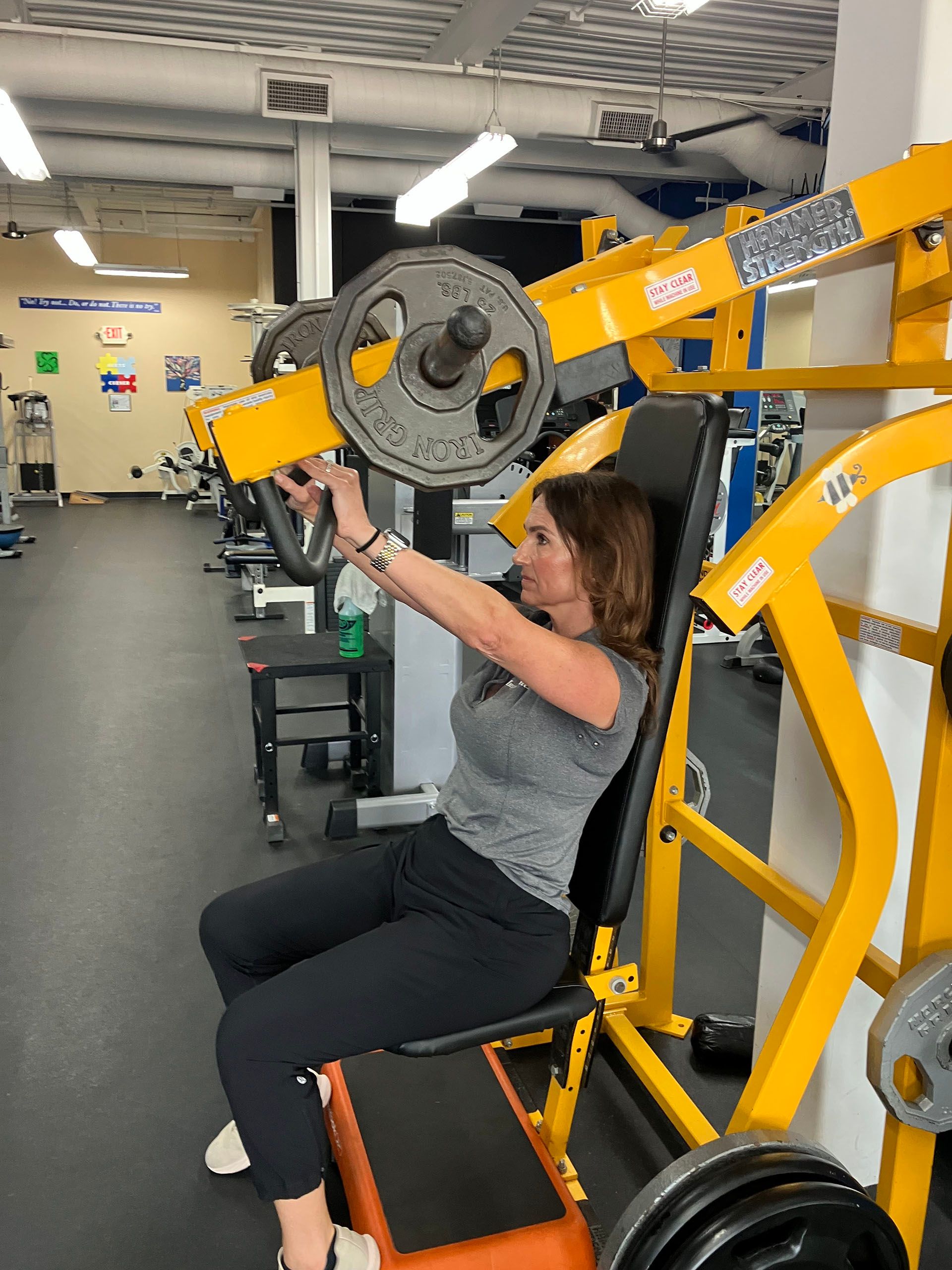
- Chest press
- Rows
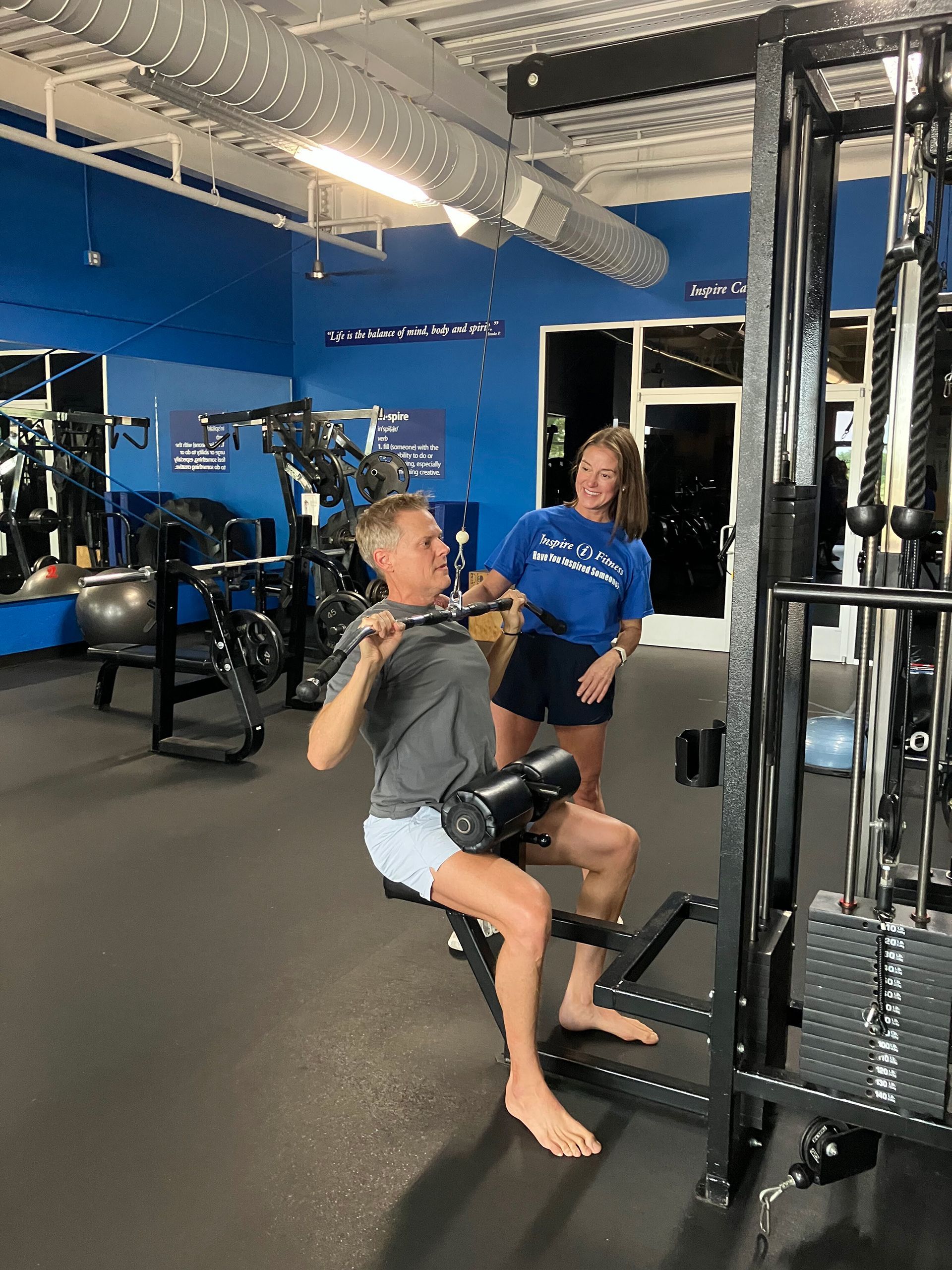
- Lat pulldowns
- Shoulder press
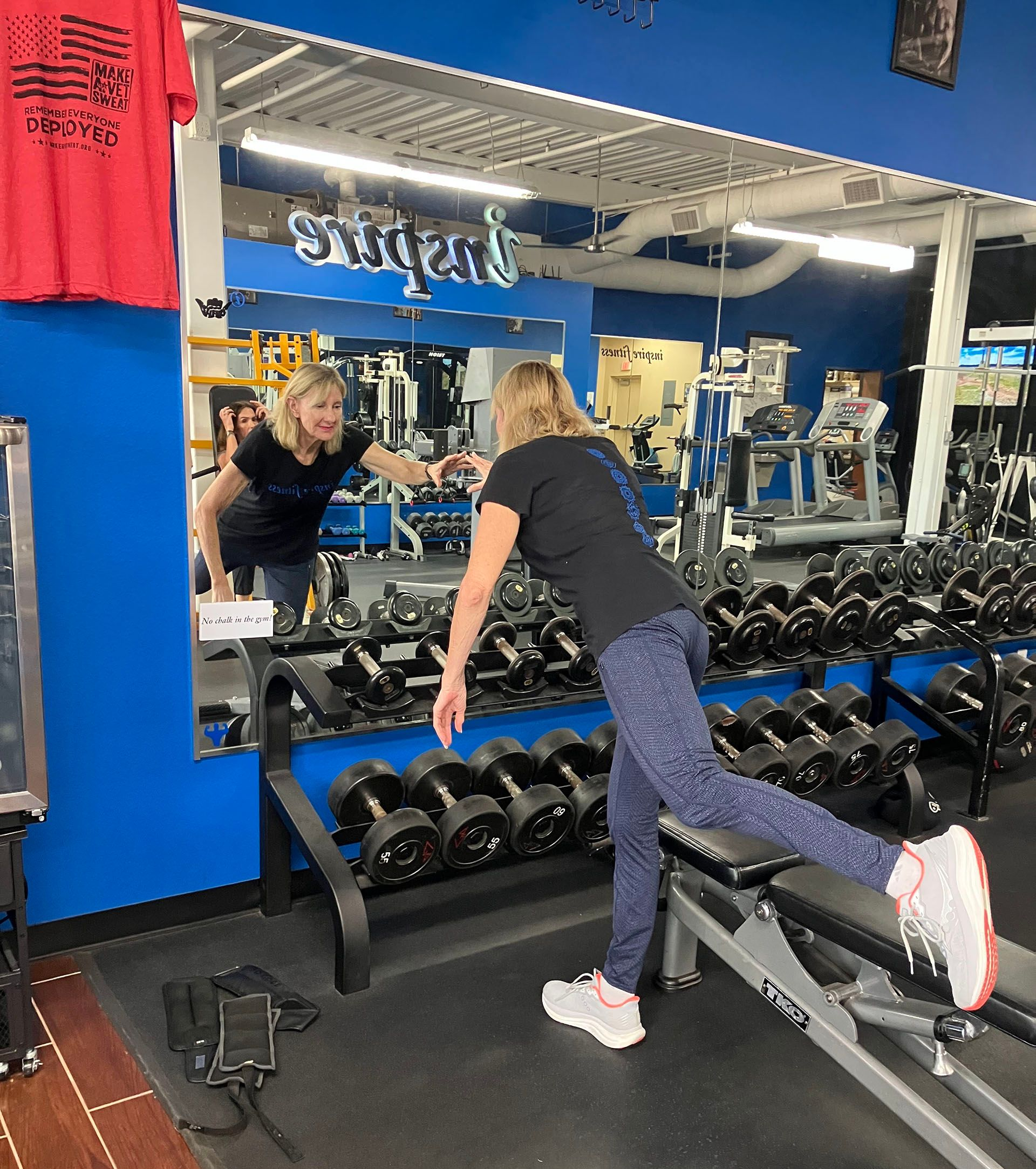
- Step-ups
- Farmer carries
These movements deliver the greatest return on your time investment.
Don't Chase Exhaustion
One of the biggest mistakes we see is believing every workout must leave you exhausted.
It doesn't.
The goal isn't to survive your workout. The goal is to recover well enough to come back and train consistently next week.
Recent evidence reviews from the
American College of Sports Medicine emphasize that long-term consistency matters more than constantly searching for the "perfect" training program.
Cardio Still Matters
Strength training should be your foundation. Cardiovascular exercise supports:
- Heart health
- Blood pressure
- Endurance
- Recovery
- Mental health
The
CDC recommends adults perform at least 150 minutes of moderate aerobic activity each week alongside muscle-strengthening activities on at least two days.
For many professionals, this can simply mean:
- Walking meetings
- Evening neighborhood walks
- Weekend hikes
- Stationary bike sessions
- Rowing
- Swimming
Recovery Is Part of the Program
Many busy professionals underestimate recovery.
Without adequate sleep and recovery, progress slows regardless of how hard you train.
Prioritize:
Recovery is where your body actually builds stronger muscle.
Nutrition Doesn't Have to Be Complicated
You don't need an extreme diet.
Instead:
- Eat protein at every meal.
- Fill most meals with minimally processed foods.
- Include vegetables and fruit daily.
- Stay hydrated.
- Limit alcohol when possible.
- Maintain a modest calorie deficit if fat loss is the goal.
Simple habits sustained over months consistently outperform restrictive diets.
Common Mistakes Busy Men Over 40 Make
Trying to Train Like They're 25
Recovery becomes increasingly important with age.
More workouts aren't always better.
Better workouts are better.
Doing Too Much Cardio
Hours on the treadmill won't preserve muscle.
Resistance training is essential.
Skipping Warm-Ups
Five to ten minutes of mobility work often prevents weeks of pain.
Being Inconsistent
Three workouts every week beats six workouts followed by three weeks off.
Never Increasing Resistance
Your body adapts.
Progressive overload remains one of the most important principles for building strength.
Why Personal Training Makes Sense for Busy Professionals
Successful professionals often outsource areas that aren't their expertise. Fitness is no different.
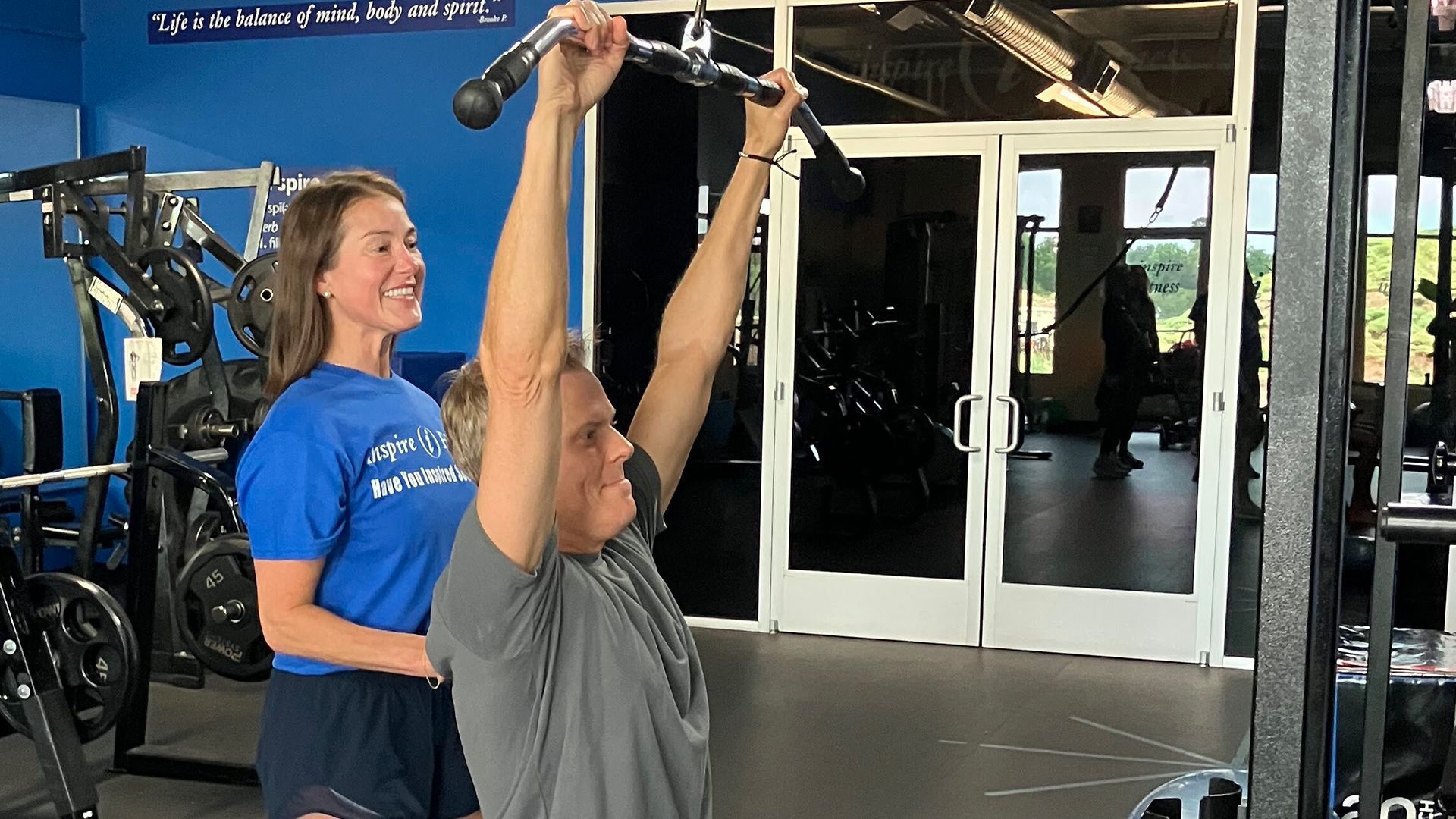
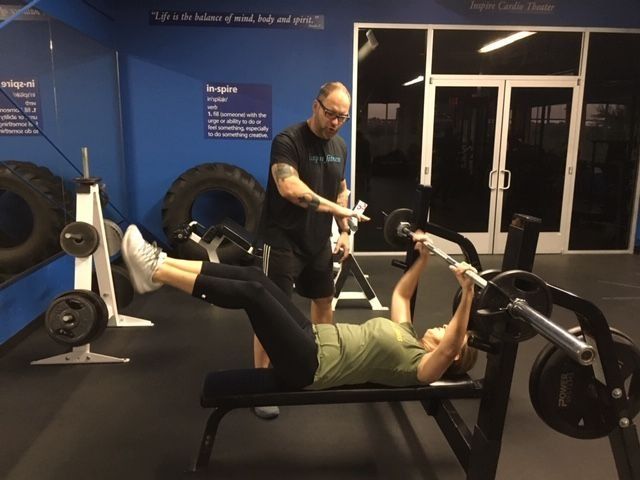
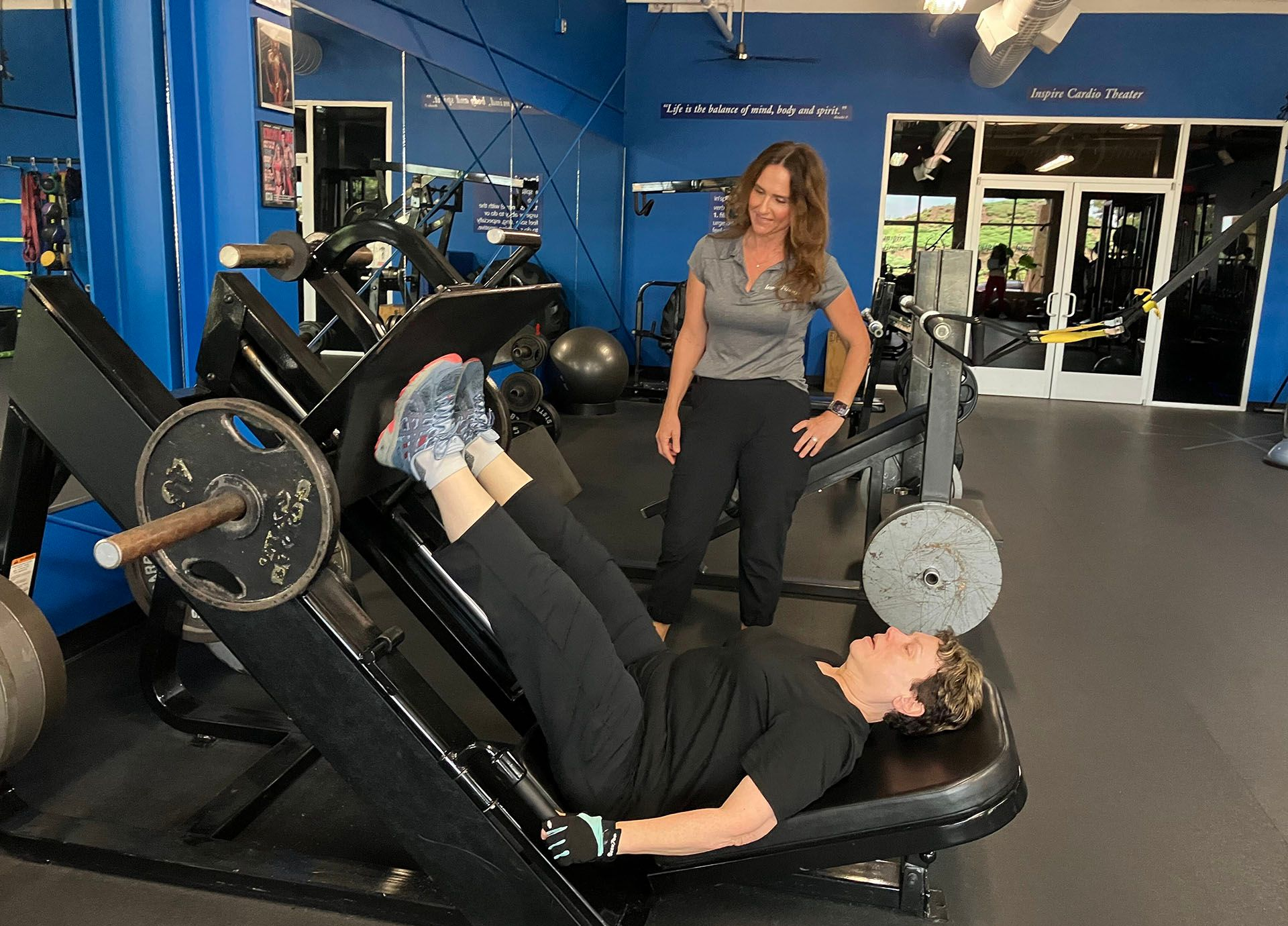
A knowledgeable trainer provides:
- Efficient programming
- Accountability
- Proper technique
- Injury prevention
- Progress tracking
- Individual modifications
Instead of wondering whether you're doing the right exercises, you can focus on getting results.
Personal Training in Cedar Park, Leander & Liberty Hill
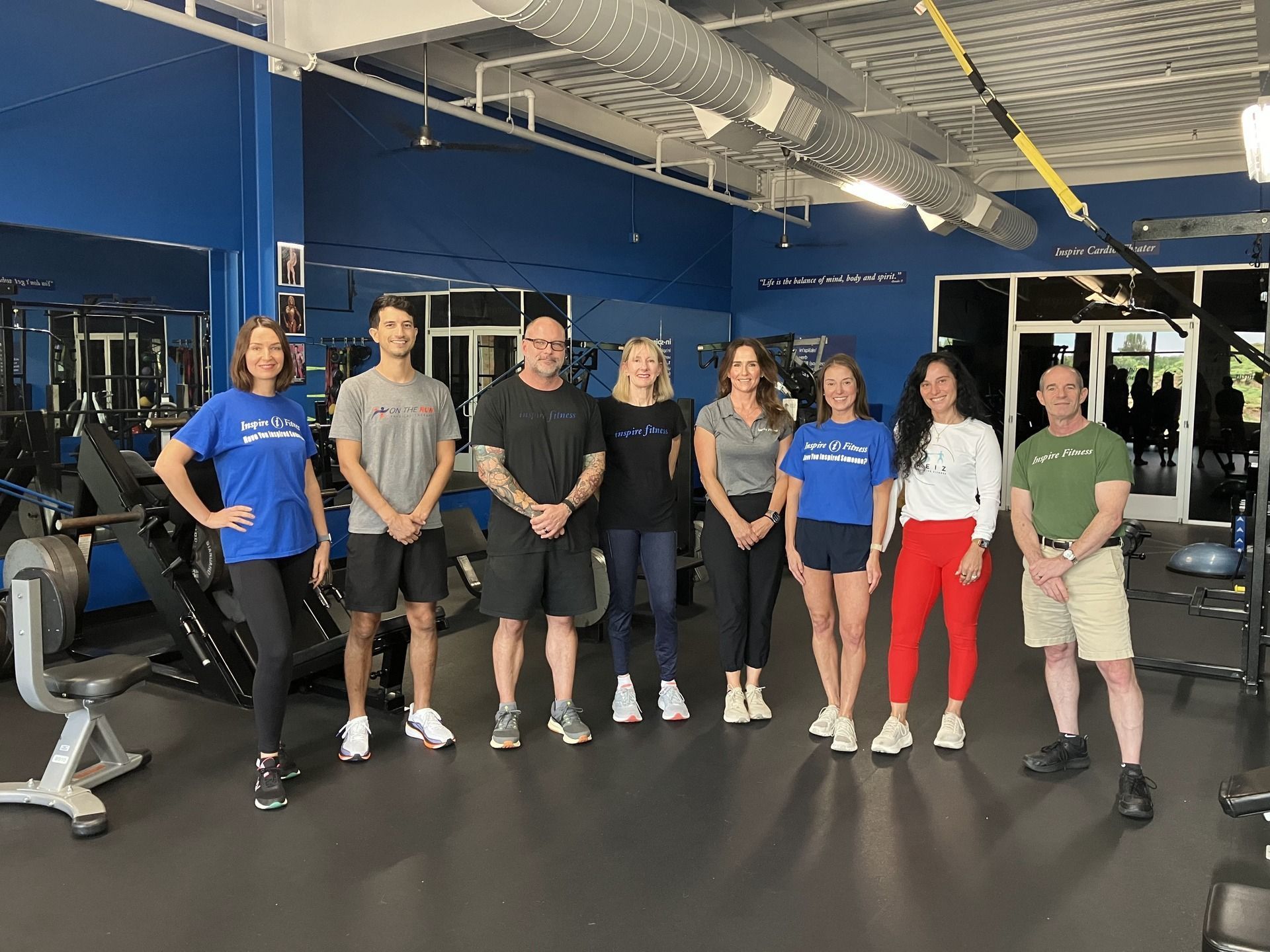
At Inspire Fitness, many of our members are busy professionals and parents who simply don't have time for ineffective workouts.
Our coaching focuses on helping adults over 40:
- Build lean muscle
- Reduce body fat
- Improve energy
- Stay active with their families
- Prevent injuries
- Age with strength and confidence
Every program is customized around your goals, experience, schedule, and current fitness level.
Final Thoughts
You don't need to train every day.
You don't need complicated workout splits.
You don't need to spend hours in the gym.
You need a program that fits your life.
Three well-designed strength workouts each week, combined with regular movement, good nutrition, and adequate recovery, can dramatically improve your health, body composition, and quality of life.
The best workout plan isn't the most advanced one.
It's the one you'll still be following a year from now.
Frequently Asked Questions
How many days per week should men over 40 work out?
For most adults, three strength-training sessions combined with regular walking and two to three cardio sessions provides an excellent balance of effectiveness and recovery.
Can men over 40 still build muscle?
Absolutely. Numerous studies show adults continue building muscle well into their 50s, 60s, and beyond when they perform progressive resistance training and consume adequate protein.
Is cardio or weight lifting better after 40?
Both are important, but resistance training becomes increasingly important with age because it preserves muscle mass,
supports bone health, improves metabolism, and enhances functional independence.
How long should workouts be?
Most busy professionals can achieve excellent results in 45–60 minutes when workouts emphasize compound exercises and minimize unnecessary volume.
Should I hire a personal trainer?
If you're short on time, want faster results, or have previous injuries, working with a
qualified personal trainer can improve efficiency, accountability, and long-term success.
At
Inspire Fitness, our certified personal trainers will put together an individualized plan to fit into your busy schedule and help you meet your goals. Contact us today for your free consultation!