June 9, 2026
Starting a fitness journey can be exciting. Many people begin with strong motivation, clear goals, and a desire to improve their health. However, enthusiasm alone does not guarantee success. Without proper guidance, individuals often make mistakes that slow progress, increase frustration, or even lead to injury.
The fitness industry is filled with conflicting advice, trending workouts, and unrealistic expectations. It can be difficult to determine which strategies are effective and which may create unnecessary obstacles. This is one reason why many people seek professional support. Experienced fitness coaches help clients navigate common challenges while creating structured plans that align with their goals and abilities.
Whether someone is working toward improved strength, better endurance, weight management, or overall wellness, avoiding common mistakes can make a significant difference. At Inspire Fitness, we work with personal training clients in Cedar Park, Leander, and surrounding areas to overcome these pitfalls and build sustainable habits to achieve long-term results.
Setting Unrealistic Expectations
One of the most common mistakes people make is expecting dramatic changes in a very short period of time. Social media often showcases transformation stories and highlight reels that create unrealistic standards. As a result, many individuals believe they should see immediate results after beginning a new exercise program.
When progress does not happen as quickly as expected, disappointment can set in. Some people become discouraged and abandon their efforts altogether, believing they have failed. In reality, meaningful fitness improvements typically require patience, consistency, and time.
This is where personal trainers provide valuable support. They help clients establish realistic goals based on individual circumstances, current fitness levels, and long-term objectives. Instead of focusing solely on quick outcomes, they encourage steady progress and sustainable habits.
Following Generic Workout Plans
The internet offers countless workout programs that promise impressive results. While these plans may work for some individuals, they are rarely suitable for everyone. A program that benefits one person may not align with another person’s fitness level, mobility, experience, or goals.
Many people make the mistake of choosing a popular routine without considering whether it fits their unique needs. This can lead to poor results, unnecessary discomfort, or a lack of motivation.
Professional fitness coaches recognize that every client is different. They assess factors such as physical abilities, lifestyle demands, training history, and personal objectives before creating a plan. Personalized programming helps ensure that exercises are both effective and appropriate.
A customized approach also allows adjustments when circumstances change. Whether a client experiences schedule challenges, physical limitations, or evolving goals, a tailored program can adapt to meet those needs while maintaining progress.
Ignoring Proper Recovery
Many individuals assume that exercising more frequently will automatically lead to better results. While consistency is important, recovery plays an equally critical role in any successful fitness plan.
The body requires time to repair and adapt after physical activity. Without adequate recovery, individuals may experience excessive fatigue, reduced performance, soreness, and increased risk of injury. Unfortunately, recovery is often overlooked because it may not feel as productive as completing a workout.
Fitness coaches help clients understand that rest is an essential part of progress rather than a sign of weakness. They structure programs that balance training sessions with appropriate recovery periods.
Recovery extends beyond taking days off from exercise. Sleep quality, stress management, hydration, and overall lifestyle habits all contribute to how effectively the body recovers. Coaches often educate clients on these factors so they can support their fitness goals more effectively.
According to the CDC, only about 47% of adults aged eighteen and older meet recommended aerobic activity guidelines. This statistic highlights the importance of building sustainable exercise habits rather than adopting extreme routines that may be difficult to maintain over time.
Overlooking Exercise Technique
Another common mistake involves focusing more on completing exercises than performing them correctly. Many individuals rush through movements, increase resistance too quickly, or imitate advanced techniques without first mastering the basics.
Poor exercise technique can reduce the effectiveness of a workout and place unnecessary stress on muscles and joints. Over time, this may lead to discomfort, frustration, or setbacks that interrupt progress.
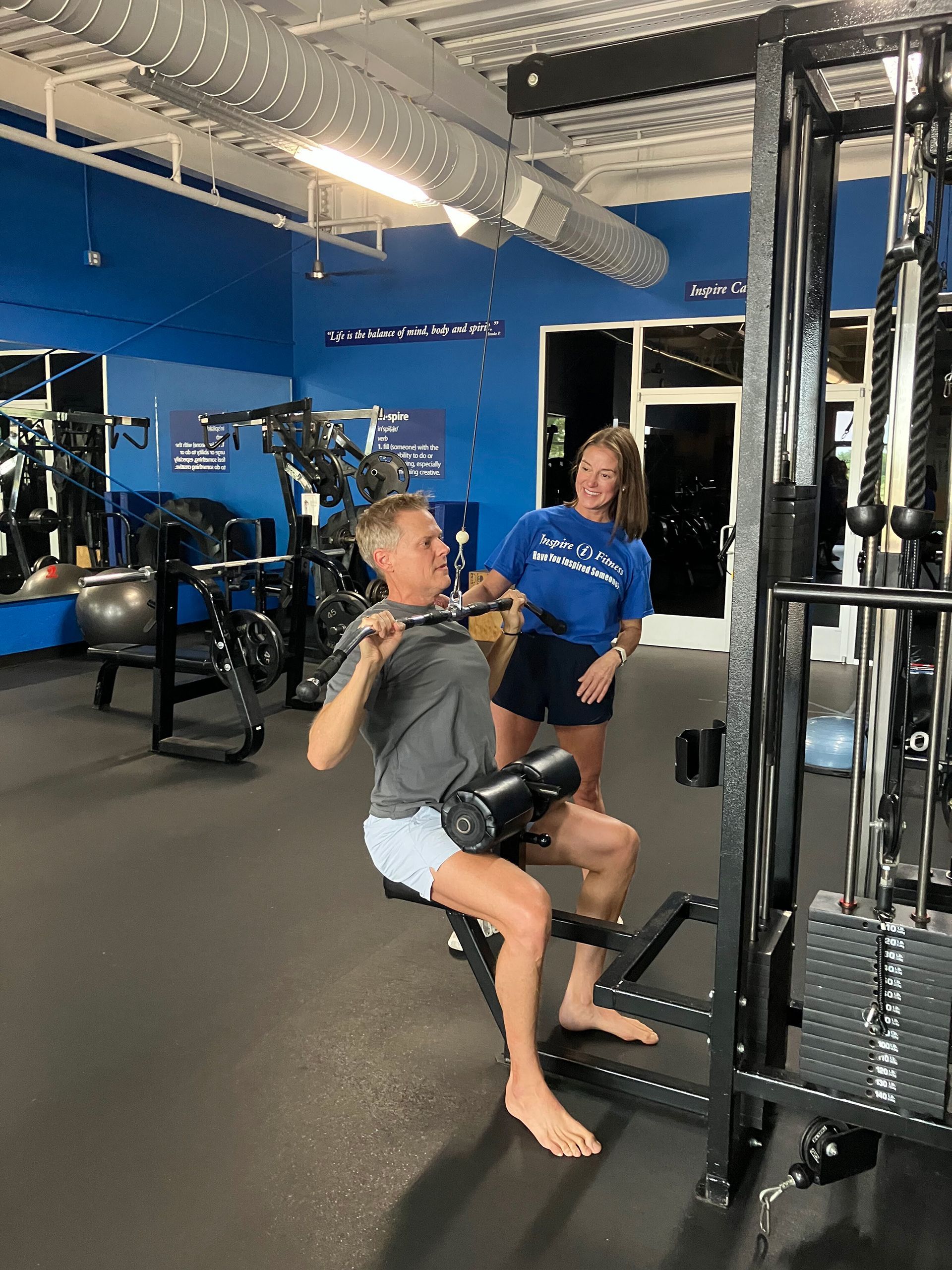
Fitness coaches play an important role in helping clients develop proper movement patterns. They observe form, provide feedback, and make adjustments that improve both safety and effectiveness.
Learning correct technique often requires patience. However, investing time in movement quality can produce significant benefits. Proper execution helps target the intended muscle groups, improves efficiency, and creates a strong foundation for future advancement.
Neglecting Nutrition Habits
Exercise is only one component of a healthy lifestyle. Nutrition plays a major role in supporting energy levels, recovery, body composition, and overall wellness. Unfortunately, many people underestimate its importance.
Some individuals believe that intense workouts can compensate for poor eating habits. Others follow restrictive diets that are difficult to maintain. Conflicting information from various sources can make it challenging to determine which nutritional strategies are most effective.
Fitness coaches frequently help clients develop a more balanced perspective on nutrition. Depending on their qualifications, they may provide guidance that supports healthy habits and complements training efforts.
Rather than promoting extreme approaches, coaches often encourage consistency and sustainability. This may involve helping clients understand portion awareness, meal planning strategies, hydration habits, and mindful food choices.
Relying Solely on Motivation
Motivation is often strongest at the beginning of a fitness journey. New goals can create excitement and inspire action. However, motivation naturally fluctuates over time.
Many people mistakenly assume they will always feel enthusiastic about exercise. When life becomes busy, stressful, or unpredictable, motivation can decrease. Those who rely entirely on feeling inspired may struggle to maintain consistency during challenging periods.
Fitness coaches help clients understand the difference between motivation and discipline. While motivation may come and go, structured habits create lasting success.
Through accountability, scheduling, progress tracking, and ongoing support, coaches help individuals stay committed even when enthusiasm temporarily fades. They encourage clients to view exercise as a regular part of their lifestyle rather than an activity dependent on mood.
Building consistent habits often leads to greater success than relying on bursts of motivation alone. Over time, these habits become easier to maintain and contribute to long-term results.
Tracking Only the Scale
Many people use body weight as their primary measure of success. While the scale can provide useful information, it does not tell the complete story of fitness progress.
Weight can fluctuate for many reasons unrelated to actual improvement. Factors such as hydration, muscle development, hormonal changes, and daily variations can influence scale readings. Focusing exclusively on weight may cause individuals to overlook meaningful achievements.
Fitness coaches encourage clients to evaluate progress using multiple indicators. Improvements in strength, endurance, mobility, energy levels, confidence, and daily function can all demonstrate success even when weight remains relatively stable.
Many clients discover that their clothes fit differently, their workouts feel easier, or their overall quality of life improves long before dramatic changes appear on the scale.
By broadening the definition of progress, coaches help clients stay motivated and appreciate the full range of benefits associated with regular exercise and healthy habits.
Achieving fitness goals involves much more than simply exercising regularly. Long-term success requires realistic expectations, personalized programming, proper recovery, sound nutrition habits, consistent effort, and a willingness to focus on overall progress rather than quick results.
Many individuals unknowingly make mistakes that slow their progress or create unnecessary obstacles. Fortunately, these challenges can often be avoided with the right guidance and support. Fitness coaches help clients identify potential pitfalls, develop effective strategies, and build habits that support lasting success.
Whether someone is just beginning a fitness journey or looking to overcome a plateau, professional coaching can provide valuable insight and accountability. By avoiding common mistakes and focusing on sustainable practices, individuals are better positioned to achieve their goals while maintaining a healthy and balanced lifestyle.
Looking for a personal trainer in the Cedar Park area? Our coaches can help you build strength, lose fat, avoid injuries, and create sustainable fitness habits. Contact us today to schedule your free introductory session. Together, we can build a personalized approach that helps us avoid common setbacks, stay consistent, and create lasting results that support our long-term wellness goals.
Frequently Asked Question
What is the most common mistake people make when starting a fitness program?
- Setting unrealistic expectations and trying to do too much too quickly.
How often should beginners work out?
- Most beginners see excellent results with 3–4 structured workouts per week combined with adequate recovery.
Is a personal trainer worth it for beginners?
- A personal trainer can help beginners avoid injury, build proper exercise habits, and create a customized plan that produces faster results.
Why am I working out but not losing weight?
- Common reasons include inconsistent nutrition, inadequate recovery, unrealistic expectations, and focusing only on scale weight.