September 1, 2026
How I Lost Almost 100 Pounds in a Year: My Weight Loss Journey & Lessons
From October 2021 to October 2022, I went from 238 pounds to, at my lightest, 140 pounds—almost 100 pounds of weight loss in a single year.
Putting it in writing makes it sound simple, and in a weird way, it was. But my weight loss journey was also much harder than it needed to be.
If you're searching for weight loss advice, trying to figure out how to lose weight, or looking for a sustainable weight loss workout program, I hope my experience can help you avoid some of the mistakes I made.
Weight loss can feel like a daunting task. A lot of people think about losing weight for months or even years before making a change. Sometimes it takes a major health scare, either personally or within the family, before someone decides that their lifestyle needs to change.
In my case, health concerns were exactly what finally pushed me to do something.
Where I Was Before Starting My Weight Loss Journey
To give some context, in 2020 I quit my job for personal reasons, moved out of my apartment in Austin, and temporarily moved back in with my mom in Leander while I looked for another job and a new place to live.
Then COVID happened.
Like many people experienced during that time, my plans came to a halt. I spent about a year going almost nowhere and doing very little. I wasn't progressing toward anything. I was stagnating.
Most of my time was spent playing video games and watching television, and it felt like I had completely lost control of my life. At 21 years old, I weighed 238 pounds.
Then one day in 2021, something possessed me to go outside and run a mile.
Despite being completely out of shape, I finished it—but it took me more than 14 minutes, and afterward I paid a hefty price. I felt like I was going to pass out, wanted to throw up, and couldn't stop coughing.
That experience made something very clear to me:
I needed to change.
The problem was that I had no idea how.
My First Weight Loss Workout and Diet
So I did what I thought healthy living was supposed to look like. My understanding of exercise and weight loss at the time was basically what a middle schooler might come up with if you asked them to create a fitness routine.
My workout consisted of:
- 1 mile of interval running, or what I called "run-walks" at the time
- 7 push-ups
- 15 sit-ups
- 10 bodyweight squats
My diet was almost as simple.
Most meals consisted of chicken, rice, and frozen mixed vegetables, with the occasional meal of red rice and eggs and a protein shake.
And that was basically it.
At the time, I didn't understand much about calorie intake, energy balance, strength training, recovery, or sustainable weight loss. I simply knew that I needed to become more active and eat what I considered healthy food.
That basic approach was enough to get me started—but eventually, I took it much too far.
When My Weight Loss Workout Routine Went Too Far
I stayed consistent with the routine and gradually increased the intensity of my workouts. I increased repetitions, added multiple sets to each exercise, and eventually started doing the entire workout twice a day—once in the morning and once at night, six days per week.
About eight months into my weight loss journey, a typical workout had become:
- 4 sets of 50 crunches
- 4 sets of 25 push-ups
- 4 sets of 50 bodyweight squats
- A 2-mile run
Then I would do essentially the same thing again later that day.
That meant I was eventually doing around 400 crunches, 200 push-ups, 400 bodyweight squats, and 4 miles of running every day, six days per week.
Did it work?
Technically, yes.
Over the course of about a year, I lost close to 100 pounds.
But I now understand that I was doing far more exercise than I actually needed to achieve my goal.
Today, when I look at that period of my life through the lens of what I've learned about weight loss, exercise programming, nutrition, and personal training, I see a lot of unnecessary work.
What Becoming a Personal Trainer Taught Me About Weight Loss
During my weight loss journey, fitness became much more than something I was doing to lose weight.
I became certified as a fitness coach, personal trainer, and nutrition coach through ISSA, and while working as a trainer at Inspire Fitness, I went on to earn my associate degree in sports science.
The more I learned about exercise programming, nutrition, strength training, recovery, and sustainable weight loss, the more I realized how inefficient my original approach had been.
If I could go back with the knowledge I have now, there are several things I would do differently.
Using recommendations from the American College of Sports Medicine (ACSM) as a general framework, adults should accumulate regular aerobic activity throughout the week along with at least two days of resistance training.
Compared with those guidelines, there were three major problems with what I was doing.
1. I Was Exercising Way More Than I Needed To Lose Weight
At my peak, I was averaging roughly 720–800 minutes of exercise every week.
That's an enormous amount of activity for someone whose main goal was simply to lose weight and become healthier.
More exercise isn't automatically better exercise.
A well-designed weight loss workout program should give your body enough stimulus to improve while also giving it enough time to recover. You don't need to spend multiple hours exercising every day to make progress.
For most people, a structured combination of strength training and moderate aerobic exercise can be much more realistic and sustainable.
That's one reason I now appreciate the value of having an actual plan rather than simply trying to do as much exercise as possible. A personalized approach can help determine what amount and type of exercise makes sense for your current fitness level, goals, and lifestyle.
If you're looking for a more structured approach, you can learn more about personal training in Cedar Park, TX and strength training at Inspire Fitness.
2. I Wasn't Giving My Body Enough Time to Recover
I also wasn't resting nearly enough for the amount of exercise I was doing.
Recovery is part of training.
Exercise provides the stimulus for your body to adapt, but rest gives your body the opportunity to recover and become stronger. Consistently training without enough recovery can increase fatigue, decrease workout quality, and potentially increase the risk of injury.
I thought working harder every day meant I was making faster progress.
What I didn't understand yet was that a good fitness routine isn't just about how much work you can tolerate. It's about doing the right amount of work and recovering from it.
This is especially important for someone beginning a weight loss exercise program after being inactive or significantly out of shape. More isn't necessarily better, particularly when your body isn't accustomed to the workload.
3. I Was Basically Outrunning My Diet
Even though I was eating foods that most people would consider "healthy," I was still eating roughly 2,500–3,000 calories per day.
The amount of exercise I was doing created enough energy expenditure that I could still lose weight while eating that much.
In other words, I was basically outrunning my diet.
There's nothing inherently wrong with chicken, rice, vegetables, eggs, or protein shakes. The problem was that I didn't yet understand how important total calorie intake and energy balance were for weight management.
I was fueling the massive amount of activity I was doing, but the entire system was overkill for the goal I was trying to accomplish.
A more sustainable approach would have been to better manage my calorie intake while following a much more reasonable exercise program.
That's also why I now see nutrition and exercise as complementary pieces of a weight loss plan, rather than treating exercise as a way to compensate for everything I eat.
For people who need help putting those pieces together, personalized nutrition guidance can be an important part of developing a sustainable approach. Learn more about personalized nutrition guidance.
What I Would Recommend Instead for Sustainable Weight Loss
If there's one thing I want someone reading this to take away, it's that getting healthier doesn't have to consume your life.
The amount and type of exercise you need will depend on who you are. Age, sex, current fitness level, medical conditions, physical limitations, dietary restrictions, goals, and lifestyle can all influence what an appropriate program looks like.
You don't need to work out six days a week.
You definitely don't need to work out twice a day.
And you don't need to destroy yourself with crazy HIIT workouts just because you're trying to lose weight.
A well-structured strength training program using progressive overload, combined with regular aerobic activity, adequate recovery, and a sustainable diet can produce meaningful results without requiring monumental amounts of time.
The key is finding an approach you can actually maintain.
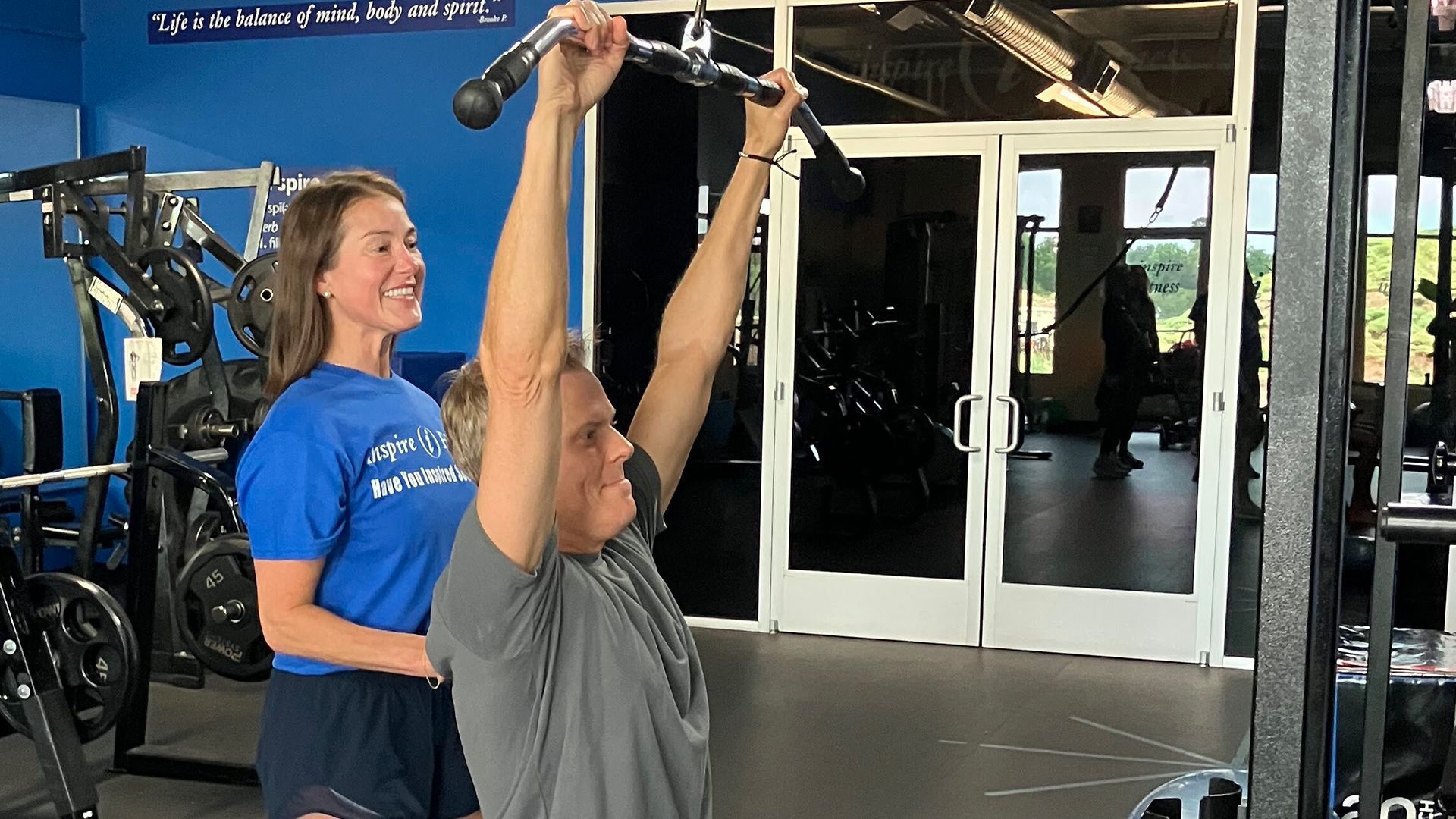
That's where personalized coaching can make a difference. Rather than trying to figure out every part of your weight loss journey on your own, a coach can help you establish realistic goals, build a workout routine around your needs, and make adjustments as you progress.
You can learn more about personalized coaching plans or explore weight loss services at Inspire Fitness.
My Biggest Weight Loss Lesson: You Don't Have to Make It Harder Than It Needs to Be
My extreme approach helped me lose almost 100 pounds, and I'm incredibly grateful that I made the decision to change my life.
But knowing what I know now, I also understand something I wish I had understood when I started:
You don't have to make getting healthy harder than it needs to be.
If you're beginning your own weight loss journey in Cedar Park, Leander, Georgetown, Round Rock, Austin, or the surrounding areas, you don't have to follow the same path I did.
You don't have to spend hours every day exercising.
You don't have to work out twice a day.
And you don't have to punish yourself to make progress.
A sustainable approach to weight loss, strength training, exercise, and nutrition can be much simpler than that.
At Inspire Fitness, we're a small gym in Cedar Park, TX focused on personalized attention, personal training, weight loss coaching, strength training, and helping clients build sustainable fitness habits. The gym also welcomes clients from Leander, Georgetown, Round Rock, North Austin, and nearby communities. You can see the full Inspire Fitness service area.
If you're interested in working with a personal trainer, you can learn more about personal training at Inspire Fitness.
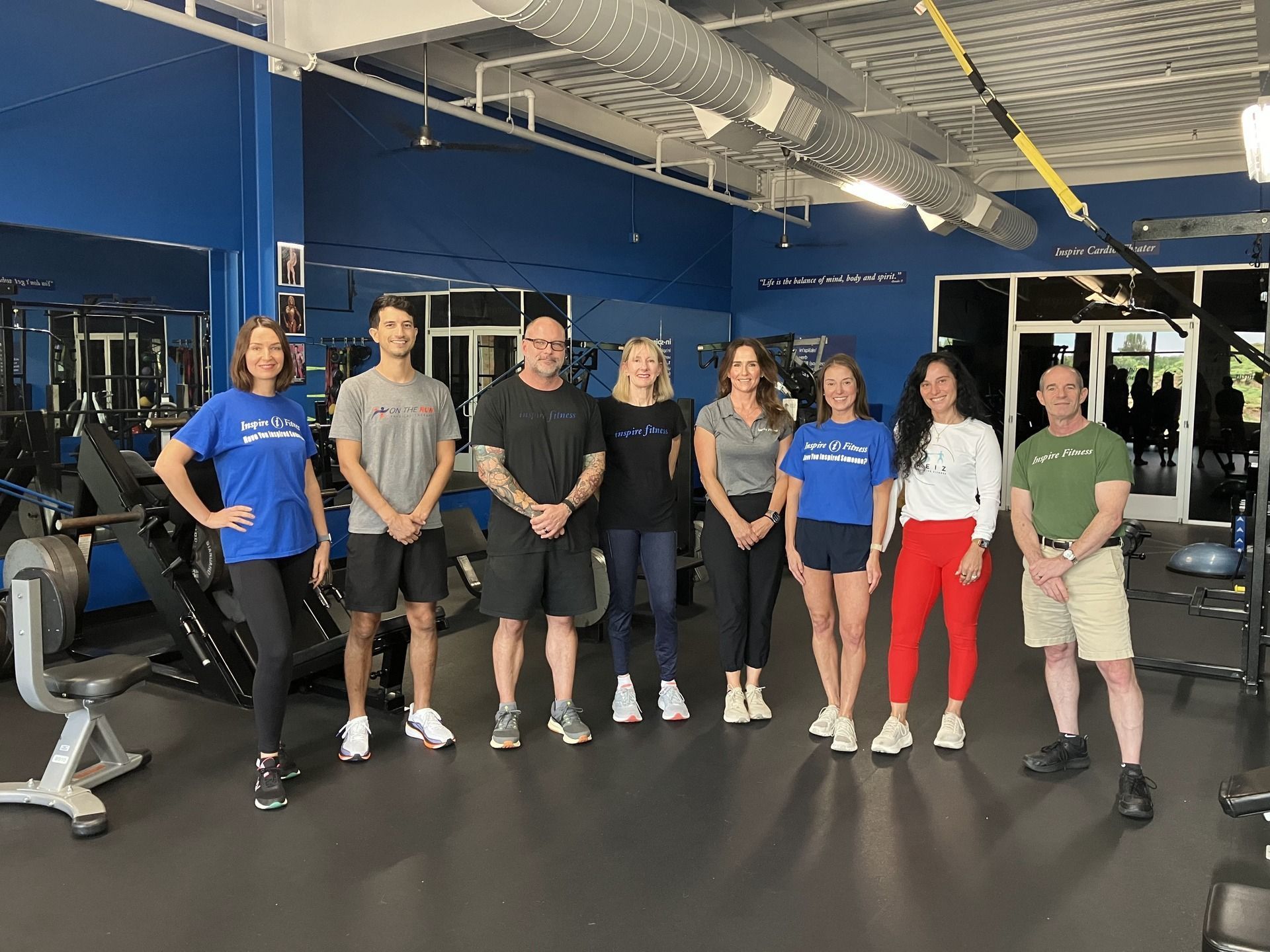
And if you'd like to learn more about the people behind the gym, meet the Inspire Fitness team.
Author: Austin Garner