August 3, 2026
You don't have to be a beginner—or an elite athlete—to benefit from working with a personal trainer. Whether you're stepping into a gym for the first time, struggling to make progress on your own, or looking for a more effective way to reach a specific fitness goal, personalized coaching can help you train with greater purpose and consistency.
At Inspire Fitness in Cedar Park, TX, our certified personal trainers work with people at a wide range of fitness levels and stages of life. We help clients from Cedar Park, Leander, Round Rock, Georgetown, and surrounding communities build strength, lose weight, improve mobility, recover from injuries, and maintain their health as they age.
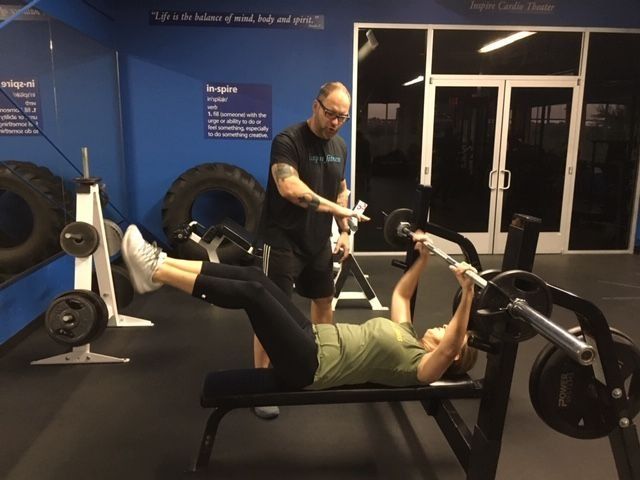
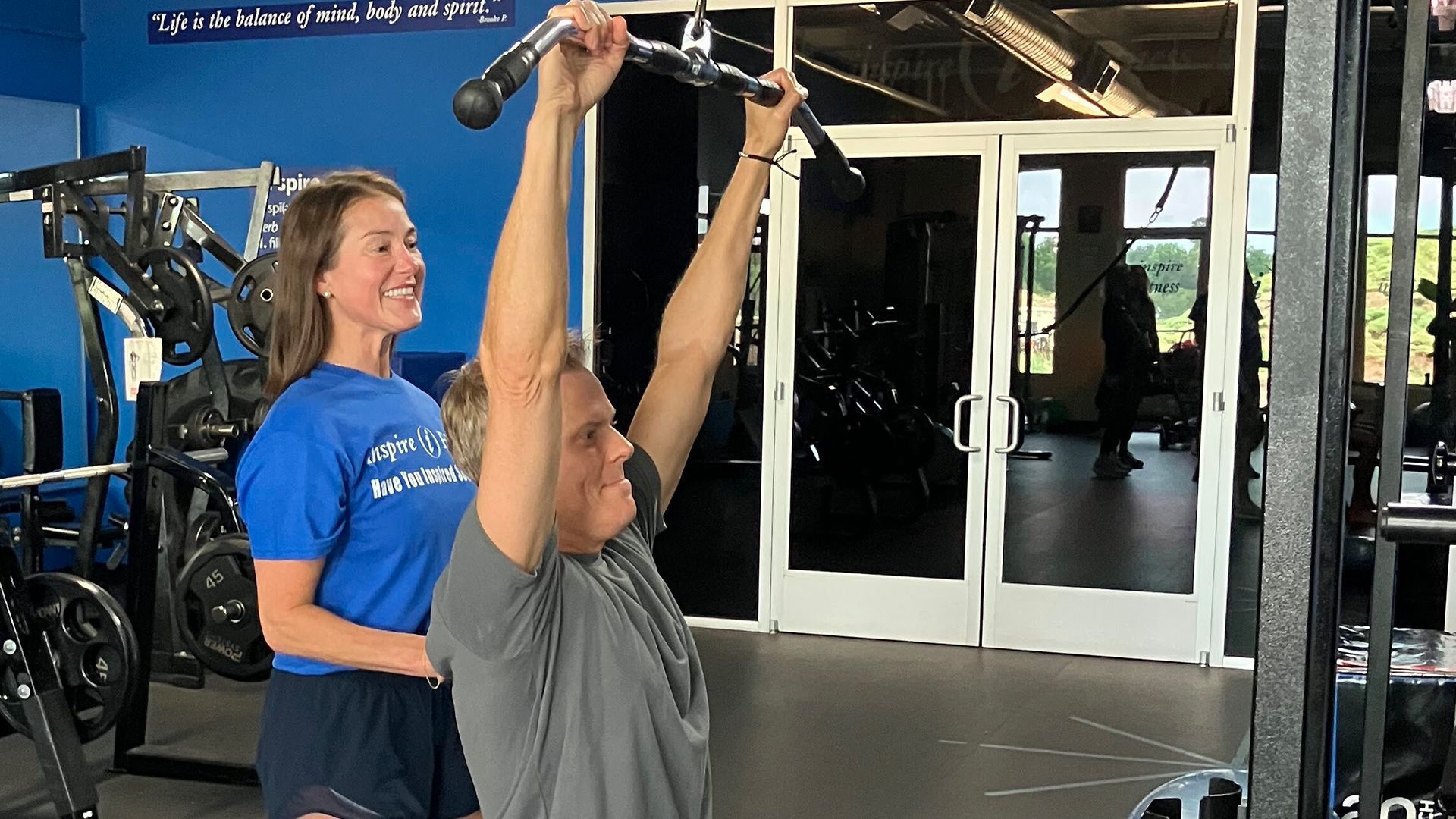
The biggest advantage of personal training isn't simply having someone tell you what exercises to do. It's having an experienced professional develop a fitness program around your body, goals, abilities, and lifestyle—and continually adjust that program as you progress.
What Are the Benefits of Working With a Personal Trainer?
A qualified personal trainer provides individualized guidance that can be difficult to replicate with generic workout programs or fitness apps.
Some of the most important benefits of personal training include:
- A customized workout plan based on your goals
- Instruction on proper exercise form and technique
- Accountability and consistency
- Appropriate progression as your fitness improves
- Help overcoming workout plateaus
- Exercise modifications for injuries or physical limitations
- More efficient use of your time in the gym
- Ongoing encouragement and objective feedback
Personal training can also remove much of the guesswork from exercise. Instead of wondering whether you're doing the right exercises, using the appropriate weight, or progressing quickly enough, you have a knowledgeable coach helping you make those decisions.
How Can a Personal Trainer Help Beginners?
Starting a fitness program can be intimidating, especially if you aren't familiar with gym equipment or don't know which exercises are appropriate for you. A personal trainer helps beginners establish a strong foundation by teaching proper movement patterns, strength-training techniques, cardiovascular exercise, and safe progression. Just as importantly, your workouts can begin at your current fitness level. You don't need to get in shape before hiring a personal trainer.
At Inspire Fitness, we intentionally provide a small, welcoming and non-judgmental environment. Your trainer can gradually increase the difficulty of your workouts as your strength, endurance, mobility, and confidence improve.
Accountability is another major benefit for beginners. Establishing a new exercise habit can be difficult when you're working out alone. Having scheduled sessions provides structure and can make consistency much easier.
Can a Personal Trainer Help if You Already Work Out?
Absolutely. Personal training isn't just for beginners.
Intermediate exercisers often reach a point where progress begins to slow. You may have been exercising consistently for months or years but find that your strength, body composition, or overall fitness isn't changing the way it once did. This is often referred to as a fitness plateau. An experienced personal trainer can evaluate your current routine and determine where changes may be beneficial. That could mean adjusting training volume or intensity, introducing different exercises, improving technique, changing recovery strategies, or creating a more structured progression plan.
A trainer can also identify habits you may not notice yourself. For example, you might repeatedly train your favorite muscle groups while neglecting others, perform an exercise with less-than-ideal technique, or simply repeat the same workout for too long. Personalized programming gives your training a clear direction instead of simply exercising for the sake of exercising.
How Important is Personal Training Beneficial for Adults Over 40?
Personal training can become particularly valuable as we get older.
Beginning around midlife, maintaining muscle mass, strength, mobility, balance, and bone health becomes increasingly important. The goal of exercise may also begin shifting from simply looking fit to remaining strong, capable, and independent for decades to come.
A personal trainer can create a strength program appropriate for your current abilities while taking previous injuries, joint limitations, lifestyle, and long-term health goals into consideration.
For adults over 40, effective training may focus on areas such as:
- Maintaining or building lean muscle
- Improving functional strength
- Supporting bone health
- Improving balance and mobility
- Maintaining a healthy body composition
- Increasing cardiovascular fitness
- Staying active and independent with age
The CDC recommends that adults get at least 150 minutes of moderate-intensity physical activity each week, along with muscle-strengthening activity on at least two days. The right program should challenge you without assuming that every person of the same age has the same abilities or limitations.
How Do Advanced Exercisers and Athletes Benefit From Personal Training?
Experienced exercisers can benefit from coaching for a different reason: optimization.
When you've already developed a strong fitness foundation, improvements often require increasingly thoughtful programming. Small changes in exercise selection, training volume, intensity, recovery, and technique can make a meaningful difference.
A personal trainer can help identify weaknesses, improve movement efficiency, structure training cycles, and develop programs around specific performance goals.
Even experienced athletes benefit from having an objective set of eyes evaluating their training. A knowledgeable trainer may notice technique issues, muscle imbalances, or programming gaps that are difficult to recognize on your own.
How Does a Personal Trainer Create a Customized Workout Plan?
Effective personal training should never be one-size-fits-all.
Before creating a program, a trainer should understand your:
- Current fitness level
- Short- and long-term goals
- Exercise experience
- Previous or current injuries
- Strength and mobility
- Schedule and availability
- Exercise preferences
- Lifestyle and recovery needs
Your program should then evolve as you do.
As you become stronger or more conditioned, your trainer can progressively adjust exercises, resistance, repetitions, training volume, and other variables. If you experience an injury, schedule change, or shift in your goals, the program can change accordingly.
That's one of the fundamental differences between personal training and following a generic workout plan: your program is built around an actual person rather than an average user.
What Should You Look for in a Personal Trainer?
Certifications and experience matter, but finding the right personal trainer involves more than credentials.
Look for a trainer who listens to your goals, communicates clearly, explains the reasoning behind your workouts, and makes you feel comfortable asking questions.
Experience working with people who have goals similar to yours can also be valuable. Someone trying to lose body fat may need a different training strategy than an athlete pursuing performance goals or an older adult focused on maintaining strength and mobility.
Most importantly, your trainer should treat fitness as a long-term process rather than promising unrealistic overnight results.
Personal Training in Cedar Park, TX at Inspire Fitness
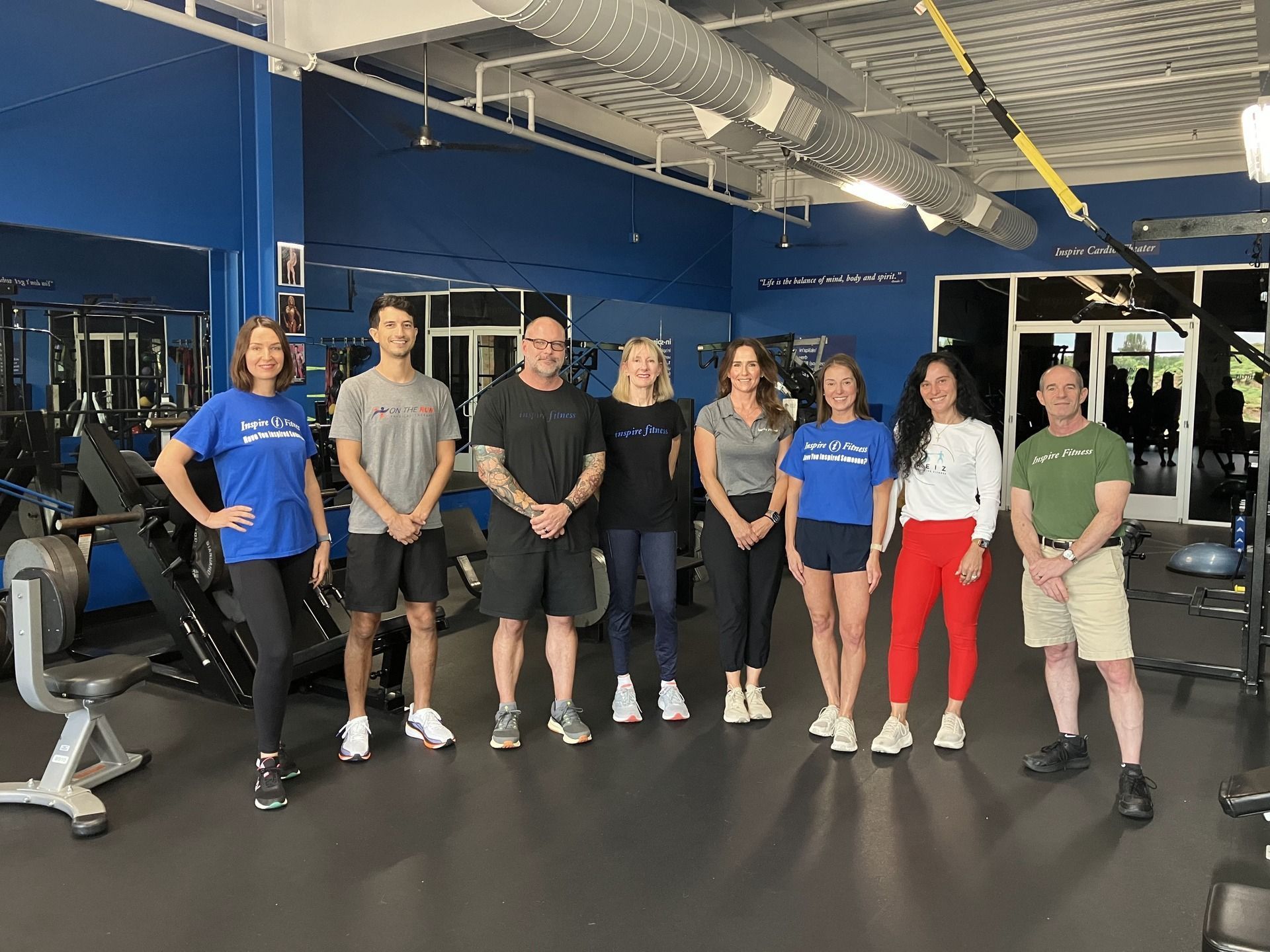
At Inspire Fitness, we've been helping people in the Cedar Park area improve their fitness since 2009. Our certified trainers bring decades of combined experience working with clients with different abilities, backgrounds, and goals.
Our approach emphasizes individualized attention in a small, comfortable, non-judgmental gym environment. We offer personal training for goals including weight loss, strength development, improved mobility, injury rehabilitation, and long-term health.
Whether you're completely new to exercise, returning to fitness after years away, or already an experienced gym-goer, we'll start with where you are today and build a program around where you want to go.
If you're searching for a personal trainer in Cedar Park, TX, Inspire Fitness offers new clients a free trial session so you can meet our team, discuss your goals, and experience our approach to personalized training.
Ready to get started? Contact Inspire Fitness to schedule your free personal training session.
Frequently Asked Questions About Personal Training
Do I need to be in shape before hiring a personal trainer?
No. You don't need any particular level of fitness before beginning personal training. A good trainer will evaluate your current abilities and develop workouts appropriate for your starting point.
How often should I work with a personal trainer?
The ideal frequency depends on your goals, schedule, experience, and budget. Many people begin with two or three personal training sessions per week and adjust over time.
Can a personal trainer help me lose weight?
A personal trainer can develop a strength and cardiovascular training program that supports fat loss while helping you maintain or build muscle. Sustainable weight management also depends on nutrition, recovery, daily activity, and other lifestyle factors.
Am I too old to start personal training?
Absolutely not! Personal training can be adapted to different ages and ability levels. Strength, balance, mobility, and cardiovascular fitness become especially important as we age, and a personalized program can help you train at an appropriate level. Research highlighted by the National Institute on Aging shows that strength training can help preserve muscle strength and mobility as we age.
Where does Inspire Fitness offer personal training?
Inspire Fitness is located in Cedar Park, Texas, and works with clients from Cedar Park and nearby communities including Leander, Round Rock, Liberty Hill, and the surrounding North Austin area.