April 3, 2026
In today's busy world, finding the time, energy, and motivation to commit to a consistent fitness routine can feel overwhelming. Many people struggle with knowing where to start, how to structure workouts effectively, or how to make sustainable progress over time. Setting realistic fitness goals is essential, not only for improving strength and endurance but also for enhancing overall health and well-being. While dedication and consistency are key, having guidance and expertise can make the journey faster, safer, and more rewarding. A personal trainer offers structured support, customized strategies, and accountability, helping clients move efficiently toward their objectives. From personalized fitness assessments and tailored workout plans to nutritional guidance and motivational support, a personal trainer provides a comprehensive approach that addresses both physical and mental aspects of fitness. By working closely with a trainer, individuals can overcome common obstacles, avoid plateauing, and develop habits that last long after workouts end. The benefits of this guidance extend beyond simple exercise routines, creating a clear pathway to success and making it easier to stay committed to a healthier lifestyle. With this in mind, exploring how a personal trainer can enhance your fitness journey is a vital first step in achieving measurable, lasting results.
Conduct Personalized Fitness Assessments
Understanding where you currently stand is the first step toward progress. A personal trainer begins by conducting comprehensive assessments to evaluate your fitness level. This includes measuring strength, endurance, flexibility, and cardiovascular health using tools like body composition analyses, BMI calculations, and performance tests. These evaluations provide a clear starting point, helping trainers track improvements and make data-driven adjustments to workouts.
Trainers also identify your strengths and weaknesses, highlighting areas that need improvement while recognizing the abilities you can further develop. This analysis ensures your workouts are both challenging and attainable, avoiding frustration from unrealistic goals. Through exercises such as muscle endurance tests, flexibility drills, and core stability evaluations, trainers develop a balanced plan that targets weaknesses and builds on strengths.
Realistic goal setting is another key component. Personal trainers help clients establish SMART goals — specific, measurable, attainable, relevant, and time-bound. By aligning objectives with your lifestyle and fitness level, trainers keep you motivated and focused. Short-term milestones are emphasized to track progress and celebrate achievements along the way. Finally, personal trainers customize workout plans to fit your unique needs, whether the focus is weight loss, strength gain, or overall conditioning. By tailoring exercises and schedules, trainers maximize both effectiveness and enjoyment, boosting adherence and long-term results.
Monitoring progress is critical for maintaining momentum. Trainers track performance, record workouts, and make adjustments to ensure continuous improvement. This dynamic approach keeps clients engaged and consistently challenged, making fitness both rewarding and sustainable.
Enhance Motivation and Accountability
Consistency is key to achieving fitness goals, and personal trainers provide the structure necessary for maintaining it. By scheduling regular sessions, trainers create a routine that encourages commitment and reduces the likelihood of skipped workouts. Having appointments to attend adds accountability and instills discipline, especially for those who struggle to stay on track independently.
Beyond scheduling, personal trainers offer encouragement and mental support to help clients stay focused. Positive reinforcement, incremental goal setting, and gradual increases in workout intensity all contribute to sustained motivation. A trainer's belief in your abilities fosters confidence and creates a positive environment for growth.
Mental barriers can also impede progress, but personal trainers help clients overcome these obstacles. Techniques such as visualization, stress management, and confidence-building exercises strengthen mental resilience. This focus on mindset helps clients embrace challenges rather than avoid them, improving performance and dedication to fitness goals.
Serving as accountability partners, personal trainers track attendance, performance, and adherence to exercise plans. This partnership ensures clients remain focused and committed while reinforcing the importance of consistency. Celebrating milestones further enhances motivation. Recognizing achievements, no matter how small, reinforces progress, boosts self-esteem, and keeps clients inspired to continue their journey.
Teach Expertise in Exercise Techniques
Proper form and technique are essential for preventing injuries and achieving optimal results. Personal trainers educate clients on correct exercise execution, providing guidance on posture, alignment, and breathing. Proper technique improves effectiveness and ensures that each movement targets the intended muscles safely.
Variety is another benefit of working with a personal trainer. Trainers incorporate diverse exercises to keep workouts engaging, including combinations of cardio, strength, and flexibility training. This approach prevents boredom, introduces new challenges, and encourages long-term adherence to fitness programs.
Personal trainers also make necessary adjustments to exercises to accommodate individual needs, including pre-existing injuries, mobility limitations, or personal preferences. These modifications allow clients to train safely while still being challenged, fostering a positive and productive fitness experience.
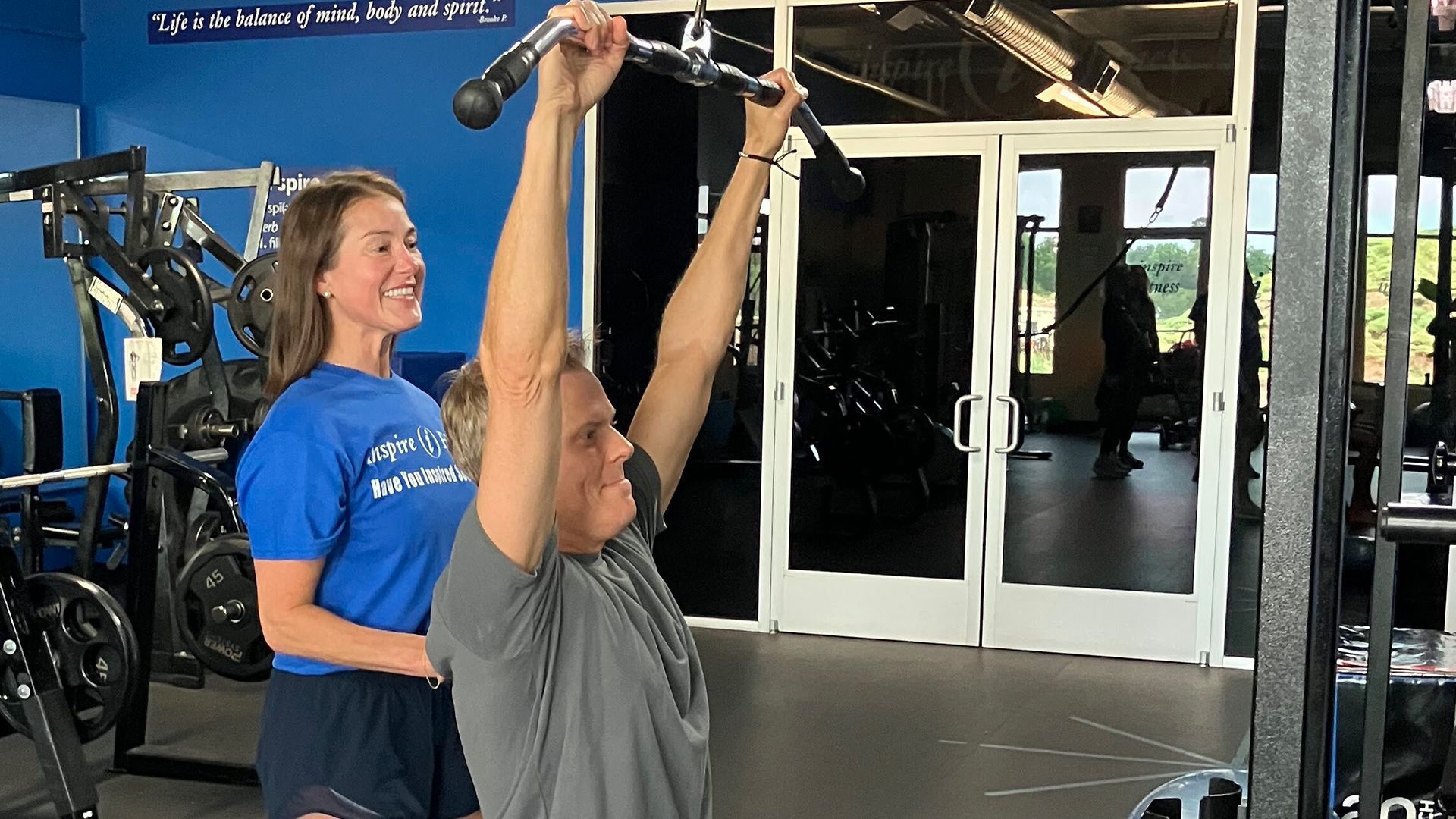
Additional tips provided by trainers help clients maximize performance, including guidance on warm-ups, cooldowns, breathing techniques, and intensity adjustments. Trainers also assist with spotting during weightlifting and provide injury prevention strategies, ensuring that clients can push themselves safely and effectively.
Provide Nutritional Guidance
Exercise and nutrition go hand in hand, and personal trainers support clients by evaluating dietary habits. Nutritional assessments identify areas for improvement, such as caloric intake, nutrient balance, and meal timing. Trainers help clients create meal plans that align with their fitness goals, whether for weight management, muscle building, or overall health.
Understanding macronutrients is another area of focus. Trainers educate clients on the roles of proteins, fats, and carbohydrates in supporting energy levels, muscle growth, and metabolism. Hydration guidance is also emphasized, as proper fluid intake supports performance, digestion, and recovery.
For those who choose to incorporate supplements, personal trainers provide guidance on usage, ensuring they complement a balanced diet rather than replace it. This comprehensive approach to nutrition enhances workout results and supports overall well-being.
Offer Access to Fitness Tools and Resources
A personal trainer ensures clients utilize gym equipment effectively, maximizing results while minimizing risk. Trainers teach proper techniques and introduce alternative exercises to maintain variety and engagement.
Workshops, seminars, and connections to health professionals further enhance a client's experience. Trainers introduce clients to additional resources such as nutritionists, physiotherapists, and medical experts, ensuring a holistic approach to health and fitness.
Build Long-Term Healthy Habits
Personal trainers help clients develop a positive mindset and sustainable routines. By fostering a growth-oriented attitude, trainers encourage clients to view challenges as opportunities, promoting long-term commitment to fitness.
Developing consistent routines is essential. According to WodGuru, about 20% of Americans currently hold a gym membership, equating to roughly 64.19 million memberships, highlighting the popularity of committed fitness practices. Trainers help clients integrate exercise into daily life in a way that is both enjoyable and sustainable.
Setbacks are inevitable, but trainers provide strategies to navigate obstacles while maintaining focus. Over time, clients develop self-sufficiency, learning how to make informed fitness decisions independently. Continuous learning is also emphasized, keeping clients engaged with evolving techniques and nutritional insights, ensuring long-term success.
Partnering with a personal trainer provides more than just guidance for workouts — it transforms the way individuals approach their fitness journeys. Personal trainers create structured plans tailored to unique goals, offer motivation and mental support, and provide comprehensive nutritional advice. This holistic approach ensures clients not only achieve measurable results but also develop lifelong habits that maintain health, strength, and confidence. By fostering accountability, resilience, and ongoing education, personal trainers empower clients to overcome challenges, stay motivated, and continuously improve. At Inspire Fitness, we are dedicated to walking alongside you on this journey, offering personalized support and resources that help you reach your full potential. Take the first step today and explore our services to begin working with a personal trainer who will guide you toward achieving your fitness goals and sustaining them for years to come.