April 30, 2026
As we age, maintaining strong bones, healthy joints, and muscle mass becomes increasingly important. For adults over 40—especially women during perimenopause and menopause—declining hormone levels, reduced activity, and natural aging can contribute to bone loss, joint stiffness, muscle weakness, and an increased risk of injury. The good news is that strength training is one of the most effective ways to support long-term health, mobility, and independence.
At Inspire Fitness, we help adults in Cedar Park, Leander, Round Rock, Liberty Hill, and surrounding communities safely build strength through personalized fitness programs designed for healthy aging and sustainable results. Whether your goal is osteoporosis prevention, reducing joint pain, improving balance, or simply feeling stronger in everyday life, resistance training can provide powerful long-term benefits.
Why Bone Density Declines with Age
Bone is living tissue that constantly rebuilds itself. Throughout early adulthood, the body naturally builds bone faster than it loses it. However, after about age 30, bone breakdown gradually begins to outpace bone formation.
For women, this process often accelerates during perimenopause and menopause due to declining estrogen levels. Lower estrogen can contribute to:
- decreased bone density
- reduced muscle mass
- increased fracture risk
- poorer balance and stability
Adults who are inactive may also experience faster bone and muscle loss over time.
Without regular resistance exercise, the body receives fewer signals to maintain strong bones and supportive muscle tissue.
How Strength Training Builds Stronger Bones
Strength training places healthy stress on the bones and muscles. In response, the body adapts by building stronger, denser bone tissue over time.
This process, known as bone remodeling, is one reason resistance training is often recommended to help support bone health and reduce osteoporosis risk.
Exercises that may help improve bone density include:
- weightlifting
- resistance band exercises
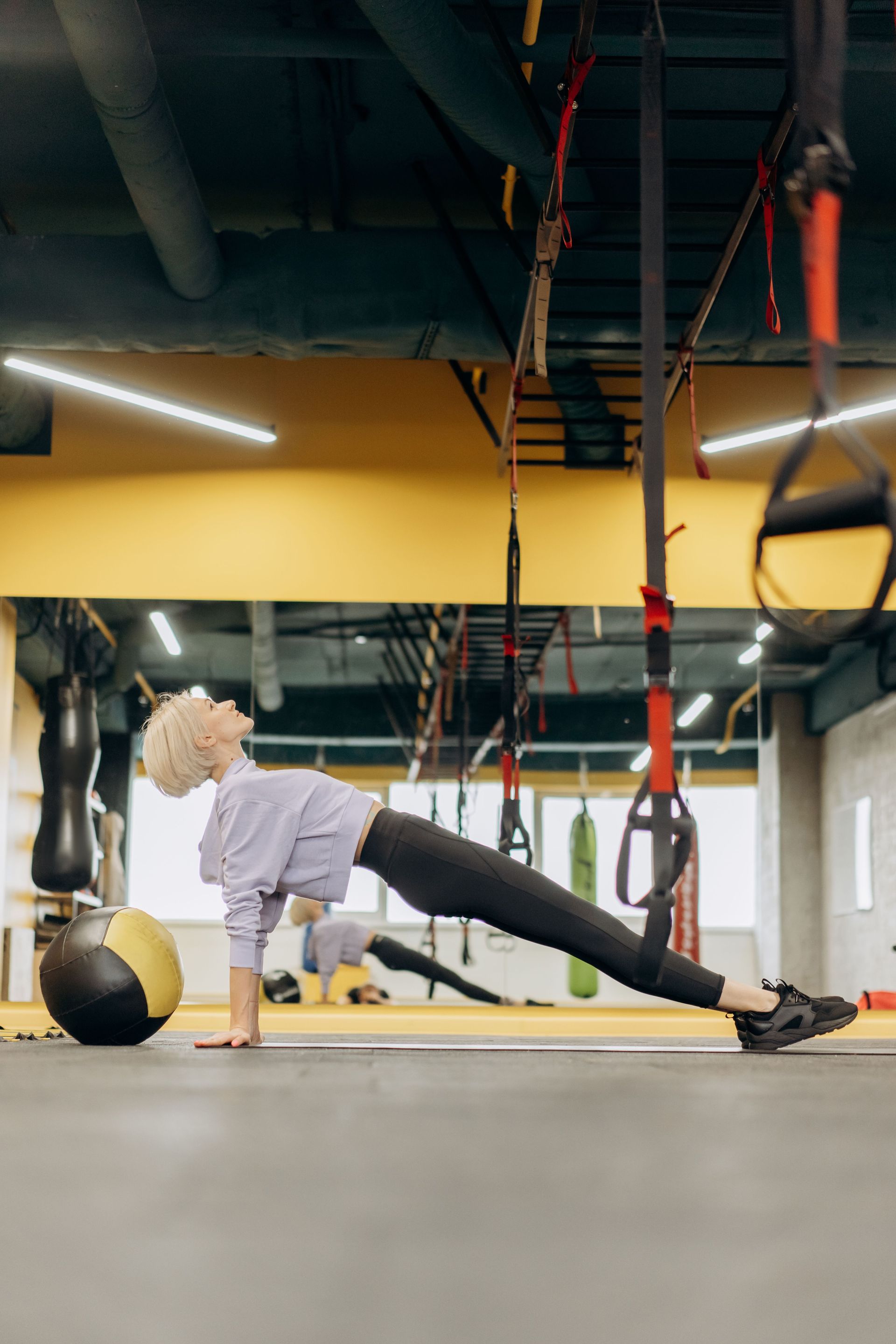
- bodyweight strength training
- machine-based resistance exercises
- functional strength movements like squats, lunges, and step-ups
Unlike low-resistance activities alone, progressive strength training provides the mechanical stimulus bones need to remain strong.
Research also suggests that strength training may help improve:
- posture
- coordination
- balance
- stability
- fall prevention
These benefits become especially important as adults age.
Strength Training for Joint Health
Many people worry that lifting weights may worsen joint pain, but properly designed strength training programs often help support healthier joints. Muscles act as support systems for the joints. When muscles are weak, more stress may be placed directly on the knees, hips, shoulders, and spine.
- improving muscular support around joints
- increasing joint stability
- improving movement patterns
- enhancing flexibility and mobility
- reducing strain during daily activities
For adults with mild arthritis or stiffness, low-impact resistance training may help improve comfort and function over time when performed correctly. At Inspire Fitness, our trainers focus on safe, joint-friendly exercise techniques tailored to each client’s fitness level and mobility needs.
Why Muscle Mass Matters for Healthy Aging
After age 30, adults naturally begin losing muscle mass in a process called sarcopenia. Muscle loss may contribute to:
- slower metabolism
- decreased strength
- reduced balance
- lower energy levels
- greater injury risk
Strength training helps preserve and build lean muscle tissue, which supports:
- daily function
- metabolic health
- mobility
- posture
- long-term independence
For adults using GLP-1 medications or experiencing rapid weight loss, preserving muscle mass through resistance training becomes even more important. Maintaining muscle can help improve overall body composition while supporting healthier aging.
Strength Training During Perimenopause & Menopause
Hormonal changes during perimenopause and menopause can accelerate both muscle loss and declining bone density.
Many women notice:
- increased body fat
- reduced strength
- lower energy
- joint discomfort
- slower recovery
Strength training can help counter many of these changes by:
- stimulating bone growth
- preserving lean muscle
- supporting metabolism
- improving insulin sensitivity
- enhancing balance and stability
For women over 40, resistance training is one of the most effective long-term strategies for maintaining strength, mobility, and overall quality of life.
Best Types of Exercises for Bone Density & Joint Health
The most effective programs typically combine several forms of exercise, including:
- Resistance Training
Free weights, resistance bands, machines, and bodyweight exercises help stimulate muscle and bone growth.
- Weight-Bearing Exercise
Activities like walking, stair climbing, hiking, and strength circuits help encourage bone maintenance.
- Balance & Stability Training
Improving balance may reduce fall risk and support joint control.
- Mobility Work
Stretching and mobility exercises help maintain healthy movement patterns and joint function.
A well-rounded fitness program should be progressive, individualized, and appropriate for your current fitness level.
When to Work with a Personal Trainer
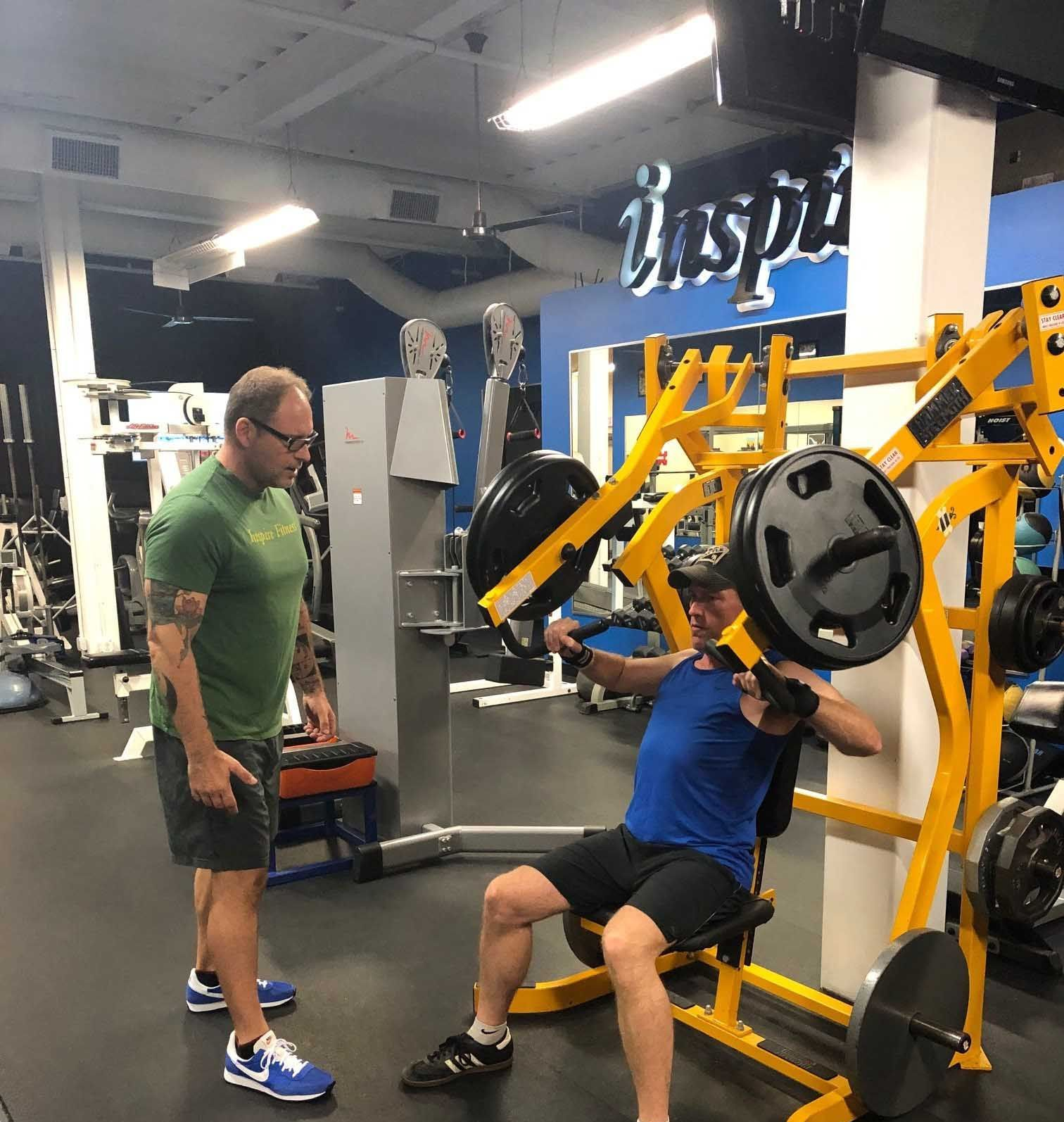
Many adults benefit from working with a qualified personal trainer, especially when starting strength training after 40 or returning after a long break.
Professional guidance can help:
- improve exercise form
- reduce injury risk
- create a safe progression plan
- build confidence
- modify exercises around injuries or limitations
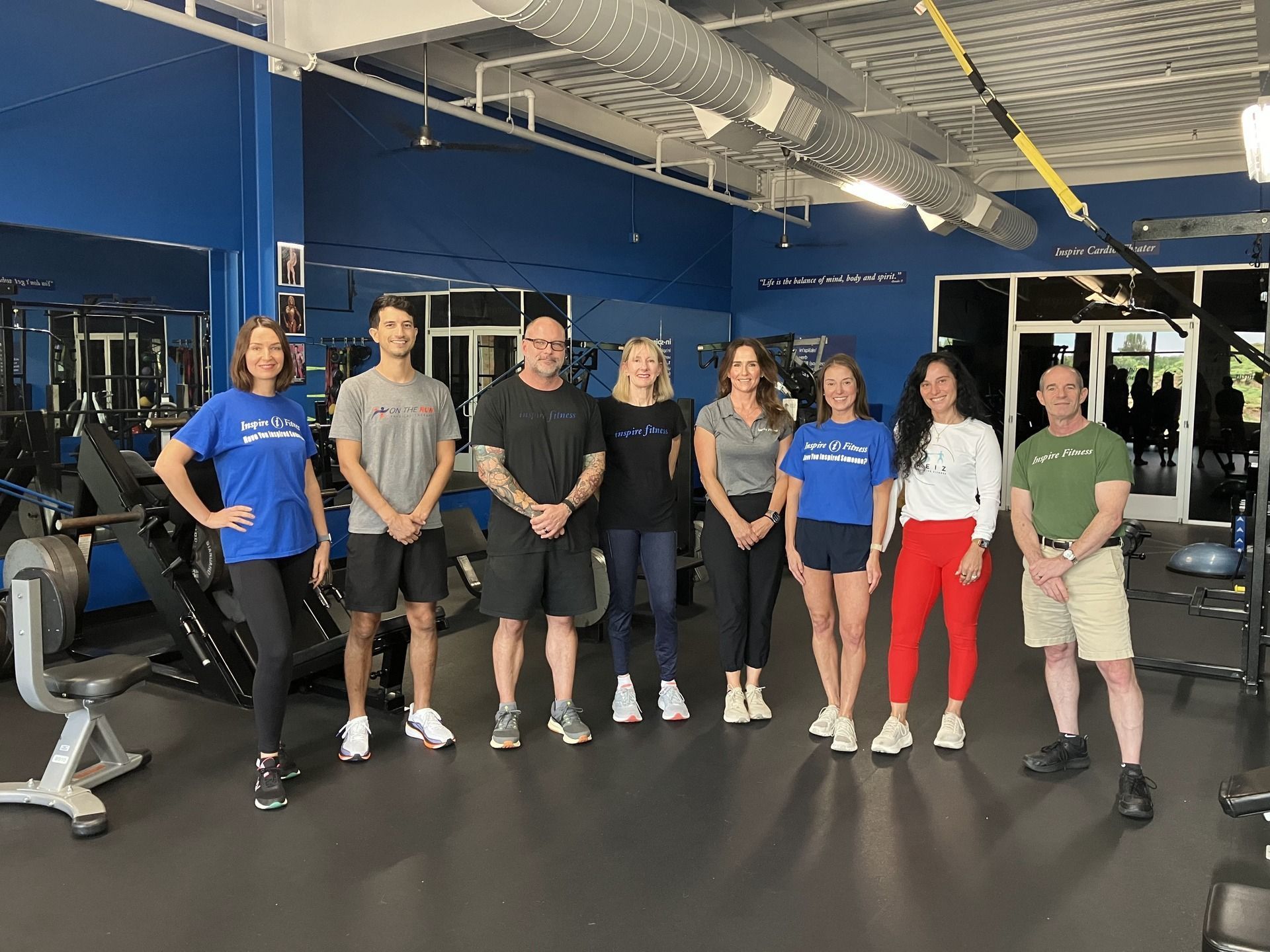
At Inspire Fitness, we specialize in helping adults safely improve strength, mobility, and long-term health through customized training programs. Our team works with busy parents and professionals in Brushy Creek, Avery Ranch, and nearby areas who want sustainable fitness solutions that support healthy aging.
Frequently Asked Questions
Can strength training increase bone density?
Strength training may help stimulate bone growth and slow age-related bone loss by placing healthy stress on bones and muscles.
What exercises improve bone density the most?
Resistance exercises, weight-bearing activities, and progressive strength training are often considered among the most effective forms of exercise for supporting bone health.
Is walking enough for bone health?
Walking provides important cardiovascular and mobility benefits, but strength training typically provides a stronger stimulus for maintaining or improving bone density.
How often should adults over 40 strength train?
Many experts recommend strength training at least 2–3 times per week, depending on fitness level, recovery, and individual goals.
Can strength training help joint pain?
Properly designed strength training programs may improve muscular support around joints, which can help reduce stress and improve movement quality.
Is strength training safe during menopause?
Yes. Strength training is commonly recommended during perimenopause and menopause to help support bone density, muscle mass, metabolism, and overall health.
Build Strength for Long-Term Health
Strength training is about far more than appearance or athletic performance. It is one of the most effective tools for supporting healthy aging, improving mobility, protecting bone density, and maintaining independence over time.
Whether you are new to exercise or returning after years away from fitness, a properly designed strength training program can help you feel stronger, move better, and support your long-term health goals.
If you are looking for personal training or strength training programs in Cedar Park, Leander, Round Rock, or nearby communities, Inspire Fitness can help you build a safe, sustainable plan designed for your needs.
Call or message us today to schedule your free consultation!