The Science-Backed Benefits 💪
1. Enhanced Glycemic Control
Meta-analyses confirm that resistance training significantly lowers HbA1c in individuals with type 2 diabetes—by approximately 0.35–0.40 percentage points—comparable to improvements from aerobic exercise.
2. Improved Insulin Sensitivity
Strength-building exercises increase lean muscle mass, enabling your body to process glucose more effectively and reducing the need for insulin. Higher-intensity training yields even greater benefits.
3. Prolonged Post-Workout Blood Sugar Regulation
Unlike aerobic workouts whose
glucose-lowering effects may last only a few hours, resistance training supports improved blood sugar control up to 24 hours post-session.
4. Heart and Metabolic Health Advantages
Strength training also helps
reduce blood pressure, visceral fat, and cholesterol—crucial factors for cardiovascular health.
How Often and How Hard?
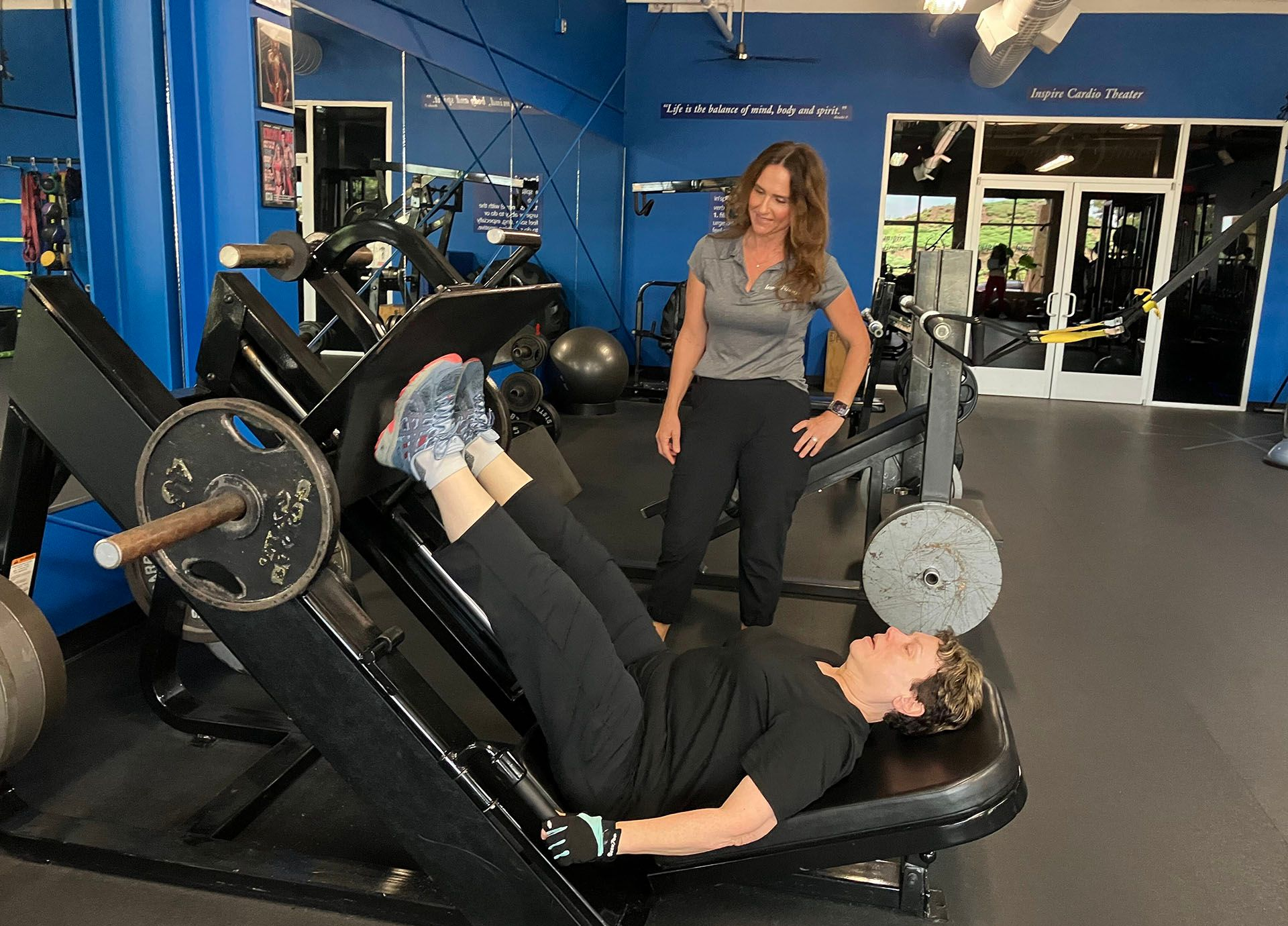
- Frequency: Aim for at least
2–3 sessions per week, targeting all major muscle groups.
- Reps & Sets: Begin with
1–2 sets of 10–15 reps, progressing to
3 sets as strength improves.
- Intensity: High-intensity resistance training delivers greater reductions in HbA1c and insulin levels than lower-intensity workouts.
- Recovery: Avoid training the same muscle group on consecutive days—rest is essential for muscle repair.
- Combine with Cardio: For optimal blood glucose control, combine strength training with
150 minutes of weekly moderate aerobic activity, as recommended by the ADA.
Sample Beginner Routine
- Warm-up: 5–10 minutes of light cardio (e.g., brisk walking).
- Cool-down: Lower-body and upper-body stretches, 30–60 seconds each.
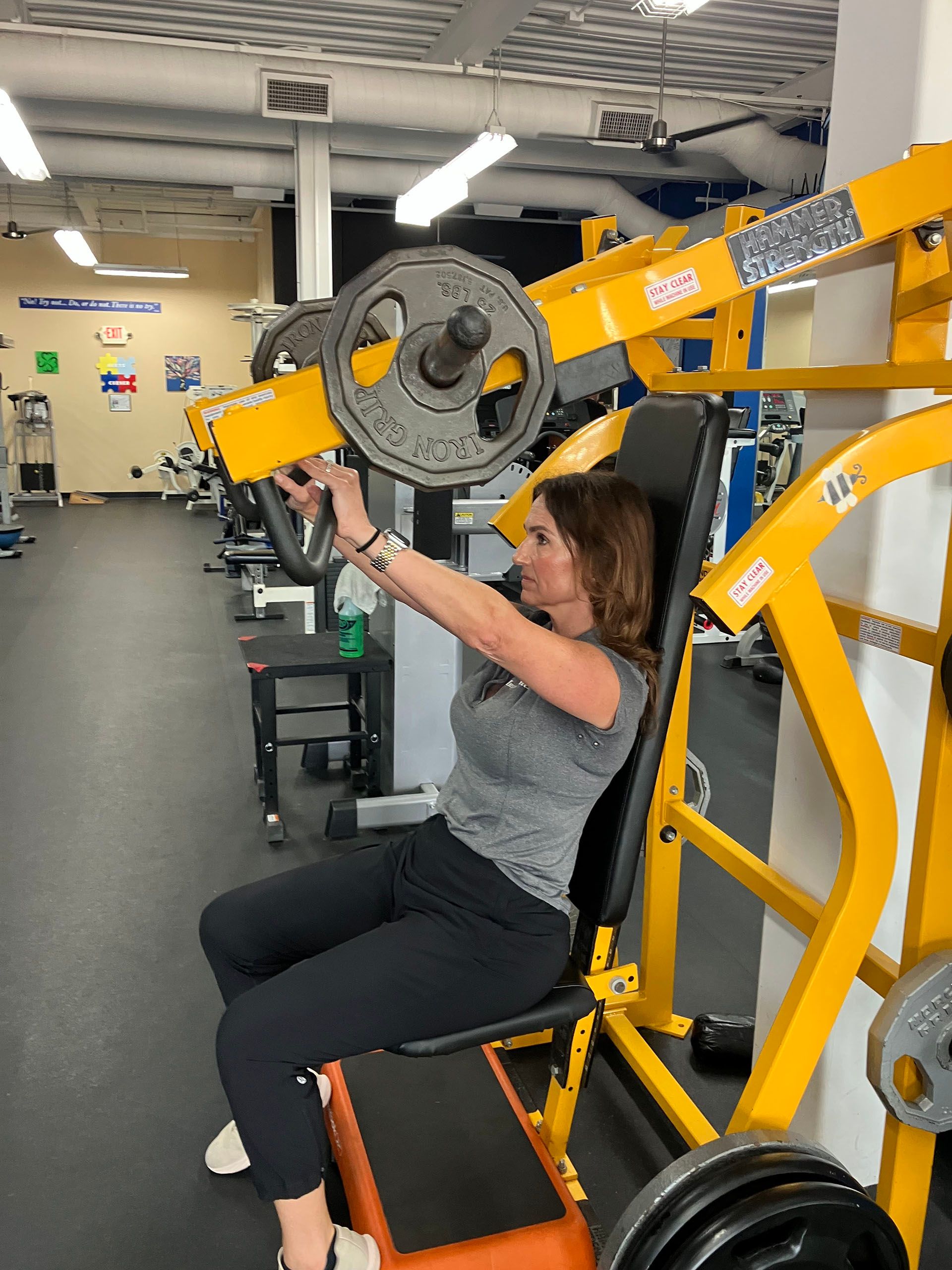
- Equipment: Dumbbells, resistance bands, or bodyweight alone are sufficient.
Safety Tips and Precautions
- Consult Your Doctor: Especially important if you have complications like neuropathy, retinopathy, or heart disease.
- Monitor Blood Sugar: Check levels before and after workouts—be prepared for low glucose by carrying a quick carb source.
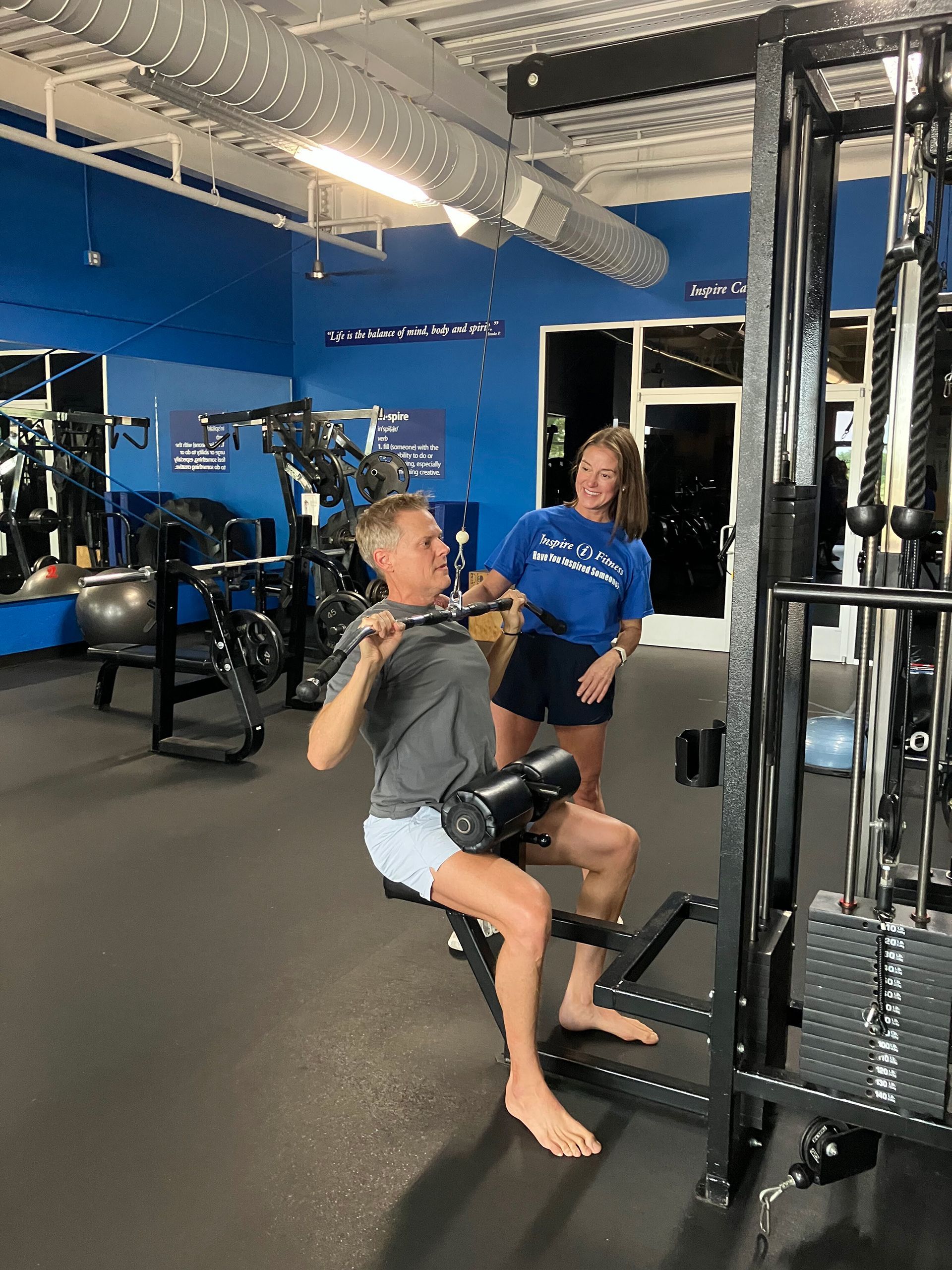
- Start Slow: Begin with light loads and focus on proper technique—consider guidance from a fitness professional.
- Avoid Overexertion: Don’t push to complete fatigue—workouts should feel challenging, not exhausting.
- Pay Attention to Body Signals: Watch for signs of low blood sugar (dizziness, sweating) and take breaks as needed.,
Getting Started
- Schedule it in: Treat strength workouts like appointments—aim for 2–3 sessions each week.
- Track progress: Log weights, sets, and reps to track strength gains and glucose trends.
- Build a habit: Pair workouts with enjoyable activities (e.g., music, podcasts) and gradually increase intensity or load.
- Stay consistent: Skipping sessions disrupts glucose uptake—the ADA suggests avoiding more than 48-hour gaps between workouts.
By making strength training a regular part of your routine, you're empowering your muscles to better manage glucose, improving overall health, and enhancing longevity. This smart, science-backed approach—paired with aerobic workouts and healthy habits—can significantly elevate your type 2 diabetes management. Keep lifting, keep progressing, and own your wellness journey.